Every lawn and type of grass seed has its own specific needs, and it can be overwhelming trying to work out exactly what they are. So to help make the job a little easier, we’ve put together a huge range of advice articles - from helping you calculate just how much grass seed need to the types of plants you need to avoid when seeding a paddock.
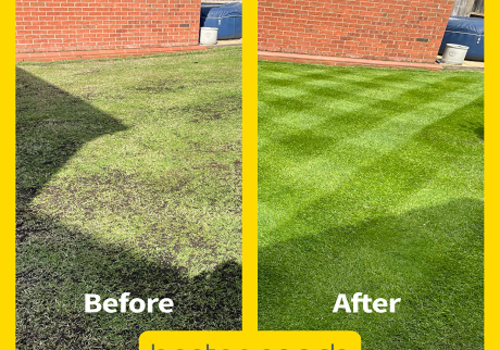
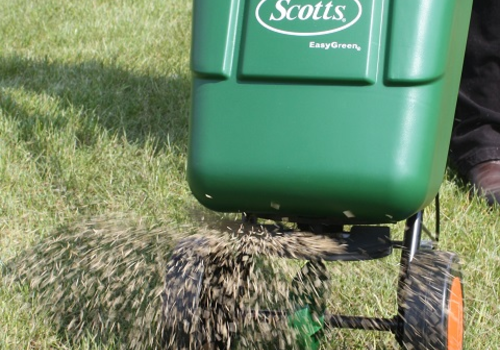
There’s plenty of useful tips and advice for domestic gardeners that covers all of the most frequently asked questions. With handy guides on if grass can be grown in the winter, what’s the hardest wearing grass seed and repairing lawn damage caused by rambunctious canine members of the family, our advice section will help you keep your garden looking healthy throughout the seasons - whether you’re planting new or looking to overseed an existing lawn.
We also have our comprehensive, easy to follow lawn maintenance diary - a month by month guide full of handy tips to help you make the most of your lawn all year round.
If your lawn requires more specialised care for your animal friends, we also have many articles dedicated to paddock care for horses. Our yearly planner offers seasonal advice to keep a mud-free paddock year round and a guide on the best grass to deal with laminitis.
Still have a question about grass seed? You can contact us here and we’ll be in touch as soon as possible.