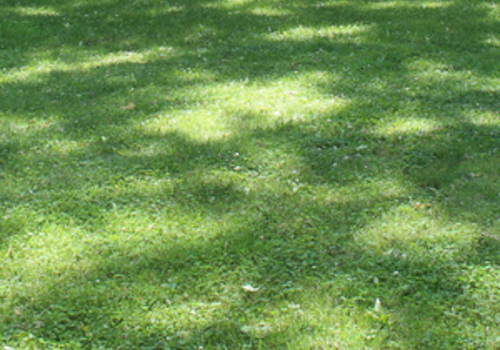
To grow grass in shady areas you need to start with a shade tolerant grass seed which is specially designed to thrive in low sunlight conditions.
What to consider before purchasing and sowing grass seed for shaded areas?
Before purchasing any grass seed, we recommend assessing the current condition of your soil.
- What is the current soil temperature? The optimum temperature for sowing seed is around 8-10 degrees.
- Is it compacted and needs aerating? Grass seed thrives best in soil where it is nicely aerated meaning moisture can drain through the soil.
- What are the moisture levels like? Soil with too much or too little moisture can make growing grass difficult.
- What type of soil do you have? Some soils may be more sandy than others or even acidic - so knowing what your soil is like will help you make the best choice.
- What are the pH and nutrient levels of your soil like? Test your soil to understand the levels of nutrients and pH levels, make amendments based on results to improve the soil fertility and structure.
- Is your lawn covered in debris and weeds? If so, make sure to remove any debris or weeds before sowing to prevent the weed competing with your new seedlings.
- How much shade does your lawn get? Look at your lawn and determine which areas get the most shade and which get sun. This will help you choose the right combination of grass seed for your lawn.
What is the best grass seed for shady areas?
We have found the most effective shady lawn grass mix is a blend of shade-tolerant grass varieties, but which grass seed you need will depend on where your shaded areas are:
Grass seed for shade under trees or hedgerows
Grass seed for shade under trees or hedgerows must be able to grow in low moisture and nutrient environments. This is because your grass will be competing with trees for water and nutrients from the soil, and have limited sunlight. Our Shady Place Grass Seed is the perfect mix of hardy grass varieties that grow well despite these conditions as it features a mix of Dwarf Amenity Perennial Ryegrass, Strong Creeping Red Fescue, Slender Creeping Red Fescue, Smooth-Stalked
Meadow Grass and Highland Bent varieties.
The main grass type in our Shady Grass Seed which is perfect for shaded areas under trees, is Red Fescue. It is known for growing quickly and covering a lot of ground and has become a preferred choice when landscaping tough spots. Red Fescue is often used on golf courses as it can grow well even in sandy soil.
Grass seed for shaded areas around buildings
Grass seeds for shaded areas around buildings will need to contend with low air-circulation and drainage which causes waterlogged soil that invites rot and fungi. Our Child’s Play lawn seed is an extremely hardy, more suitable seed mix for these kinds of shady areas.
What do you do when grass won’t grow under trees?
Cut back overhanging branches
Where possible it helps to cut back low or overhanging branches. This increases the sunlight that grass can get. Many grass varieties need three to four hours of sunlight a day to truly thrive. Pay particular attention to this with dense trees like Oak and Beech, which can block almost 95% of sunlight in the summer.
Reduce soil acidity
Sometimes, your grass might not be growing due to the acidity of the soil. Certain tree varieties can increase soil acidity, so adding lime can help neutralise this and encourage your grass to grow. Changing the acidity can impact surrounding trees and vegetation so be especially careful about this.
Aerate the soil
If the soil looks especially hard or compact, there is a chance soil may need aerating. If so, use a garden fork to aerate the area. This will help water, nutrients and air penetrate into the soil to give your seeds a better chance.
Tips for growing grass in shaded areas
When should you seed your lawn with shade?
The optimal time to sow grass seed in shaded areas is between the late summer and the mid-autumn. During this time there is less competition from weeds and the soil has had a chance to reach its optimum temperature so it's still warm and will be retaining a good amount of moisture. These are all helpful factors to encourage growth in your grass seed for shaded areas.
If you’ve already missed the autumn, then seed in mid-spring but make sure you’re going to be able to give the new grass plenty of water as the hot weather really starts to set in.
Summer is often too hot, and dry for new seeds to be able to thrive and they will often end up shriveling. In winter, it's often too cold for regular grass seeds to germinate.
For best results use a pre-seeding fertiliser to prepare the soil and a grass seed spreader to make sure grass seeds are distributed evenly.
How to encourage grass in shaded areas to grow?
Keep your shaded grass moist by watering it once or twice a day until it is tall enough to mow. If you are growing seed in a moist area, it’s important to make sure there is irrigation for the water to drain.
When the grass is tall enough to mow, you can water it on the same schedule as the rest of your grass. When you do water it though, it helps to be a bit more generous to grass growing in the shade. This is especially true for grass growing underneath trees as they’ll be competing with the trees for water and nutrients.
A final tip is to let the grass in shaded areas grow a little taller. This gives the grass more blade surface to capture and process what sunlight is available, and encourages deeper root growth which aids resilience.
When growing grass seed in shaded areas it is important to consider the moisture levels, as too low or too high can affect the growth.
|
Low Moisture Content Found when growing grass under trees Shady lawns which are sheltered by trees often dry out and have low nutrient content in the surrounding soil. This is because the trees leech the water and nutrients from the soil. Therefore, grass has to contend with low light levels as well as drought conditions and low nutrient levels. |
|
High Moisture Content Found when growing grass shaded by buildings Lawns shaded by buildings or walls can have poor air circulation and drainage which causes that grass to be constantly damp. |
|
How to repair: How to repair:
If you are trying to grow grass under oak trees, pine trees or conifers, it is important to consider the soil pH. These trees tend to increase the acidity of the soil and so it may be beneficial to add lime to neutralise the conditions. Beware however that changing the acidity of the soil could have an impact on the surrounding trees and vegetation. |
|
How to repair:
In any situation where conditions are not favourable, some grasses will become weak. Therefore it is best to occasionally overseed the lawn to restore the balance and create a healthy lawn. |
How we can help!
At Boston Seeds we take pride in excellent customer service. If you're growing a lawn from scratch but unsure how much grass seed you need, our handy Grass Seed Calculator can help you figure it out in just a few clicks!
Grass Seed CalculatorWith Next Day Delivery on hundreds of items too, choosing from our extensive range of grass seed couldn't be easier. Ordering regularly or looking for large volumes? Click here to apply for a trade account today - we review all applications within one working day. If you have any questions, then please get in touch.
Get in touch with our friendly experts who'll be happy to help.