Wildflower Seeds
Here at Boston Seeds, we've been supplying the best quality, native British wildflower seeds for over twenty years, trusted by The National Trust, The Environment Agency and wildlife charities. We have expertly created a selection of wildflower seed mixtures to create beautiful wildflower displays alongside our conservation charity partner, Buglife.
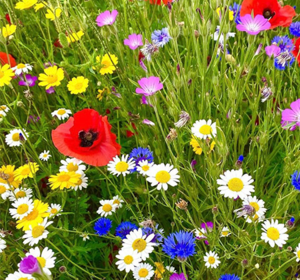



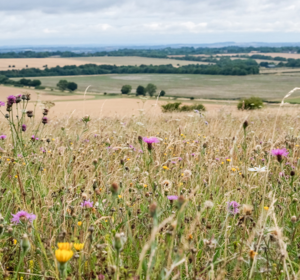

Choose from a traditional 80/20 mix of meadow grasses and wildflowers for a natural, long-lasting habitat, or a 100% pure wildflower seed mix for maximum colour and pollinator support, full of pollen and nectar for bees and butterflies.
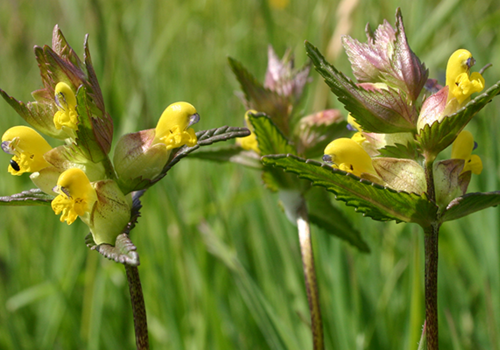
We also have vast range of individual species such as Yellow Rattle seeds, Ox-Eye Daisy and Corncockle Seeds. For fast, eye-catching summer results, check out our range of fast-growing, vibrant ColourMax annual flower seed blends.
Don't hesitate to get in touch to speak to one of our experts or request a catalogue to view our full range. Ordering regularly or looking for large volumes? Click here to apply for a trade account today - we review all applications within one working day.
Wildflower Seeds FAQs
What are the different types of wildflower seeds?
Wildflower seeds come in various types, each with unique characteristics and growing conditions. At Boston Seeds, we supply a few different types of wildflowers, including:
- Annual wildflowers: Annual wildflowers complete their life cycle in one year, and are unlikely to grow back again in subsequent years. Some examples include cornflowers, poppies, and marigolds. These are ideal for adding some quick, vibrant color to your garden.
- Perennial wildflowers: Perennial wildflowers return year after year and typically require less maintenance than annuals. Examples include foxgloves, black-eyed Susans, and ox-eye daisies. They are perfect for creating a long-lasting wildflower meadow.
- Native Wildflowers: Native wildflowers are species naturally found in your local area. They are often more drought-tolerant and require less maintenance than non-native species. Planting native wildflower seeds helps support local wildlife and ecosystems.
- Wildflower Seed Mixtures: Wildflower seed mixtures contain a variety of species suitable for different conditions. These mixtures are great for creating a diverse and vibrant wildflower garden.
How much wildflower seed do I need?
The amount of wildflower seed you need depends on the type of mix you choose and the size of your area.
For 100% wildflower seed mixes, sow at approximately 3 gram per square metre. For mixes that include grasses (such as an 80/20 grass mix), a higher sowing rate of around 5 grams per square metre is recommended to allow for the grass content.
Once you’ve measured your space, it’s a good idea to order a little extra seed. We recommend adding around 10% for measuring inaccuracies, 10% to allow for seed loss (e.g. birds), and a further 10% for filling in any thin patches after sowing. This means ordering up to 30% more seed than your calculated requirement will help ensure the best coverage.
Our wildflower seed is available in a range of pack sizes, including 50g, 100g, 250g, 1kg and 5kg, making it easy to choose the right quantity for anything from small garden patches to larger meadow areas.
When is the best time to sow wildflower seeds?
Generally cpeaking, the best time to sow wildflower seeds is spring or autumn, ideally March to May or August to October.
Can I just scatter wildflowers seeds?
Yes, you can just scatter and throw seeds over your soil, but it might not create the best results. The best way to sow wildflower seeds is to sow the seeds thinly over bare patches of moist, prepped soil that’s been raked to an even level. Read our advice on how to establish wildflower seeds.
Will wildflowers come back every year?
It will depend on the type of wildflower seeds you choose. The two main types are annuals and perennials wildflowers. If you plant perennial wildflower seeds, then these are likely to come back every year, whereas annuals typically only grow and appear once. BS9P Cornfield Annuals is a purely annual mix for maximum one year impact, but most of our mixes contain a high percentage of perennial species for a permanent, long-lasting meadow. Check out the composition of each mix to see the balance of annuals and perennials.
How to prepare the ground for wildflower seed?
The best way to prepare the ground for wildflower seeds is to avoid using compost or fertiliser as wildflowers grow best in low quality soil.
You will then need to create a fine top layer of soil to sow the seeds. Remove all weeds or other vegetation so you have bare soil. Rake the soil so there is a nice top layer ready for the seeds. You can then evenly scatter the seeds over the area and gently rake again to encourage the seeds into just the top layer of the soil - just enough so that they are not left on the surface but at a depth of more than 1cm. See our full guide to sowing wildflower seeds.
What are the benefits of sowing wildflowers?
Planting wildflowers offers many benefits for the wildlife and the environment, making them a valuable addition to any garden:
- Attracting Pollinators: Wildflowers are a natural source of food for pollinating insects such as bees, birds and butterflies. By planting wildflowers, you can help support these essential creatures and promote biodiversity.
- Creating Habitats: Wildflowers provide natural habitats for a variety of wildlife, including birds, bees, and butterflies. This helps create a balanced ecosystem and supports local wildlife populations.
- Improving Soil Health: Wildflowers help enhance the health of the soil by adding organic matter and attracting beneficial insects. Their root systems help improve soil structure and prevent erosion.
- Adding Color and Beauty: Wildflowers bring a splash of color and beauty to wherever sown, creating a beautiful, calming space. Their vibrant blooms can transform any outdoor area into a picturesque haven.
What are the challenges of growing wildflowers from seeds?
Here are some common issues to consider when sowing wildflower seeds:
- Consider Soil Type: Wildflowers often thrive in poor soil, they can struggle in soil that is too fertile.
- Lack of Sunlight: Many wildflowers require full sun to partial shade to grow. Ensure you plant wildflowers in a location that receives at least six hours of direct sunlight per day. If your garden has more shade, choose wildflower species that are tolerant of lower light conditions.
- Competition from Weeds: Weeds can outcompete wildflowers, especially in areas with poor soil. Take a look at our range of weedkillers and moss control products.
By addressing these common challenges, you can create a flourishing wildflower garden that brings joy and beauty to your outdoor space.
What are the best wildflower seeds for habitat creation?
At Boston Seeds, we have carefully developed a large and diverse range of wildflower products for habitat creation including dozens of specific plants for pollinators. Help improve the environment with BSRE Restore and Enrich, BSXP Dual Purpose or BS9P Cornfield Annuals. These wildflower mixtures are available as both Meadow Mixtures containing wildflowers and grasses, or pure 100% Wildflower Seed Mixtures for dense, floral displays.
Important pollinators such as bees and butterflies benefit from our specially developed mixtures - try using our famous, tried and tested BSBP Butterfly and Bee wildflower seed mix, specifically formulated to provide season-long pollen and nectar for our treasured and endangered pollinating species.
What are the easiest wildflowers to grow?
The easiest wildflowers to grow are wildflower annuals such as BS9 Cornfield Annuals, as they can be sown, germinate, grow, flower and die all in the same season. Once sown they take around 60-80 days to flower.
Why choose wildflower seeds from Boston Seeds
We're extremely proud of our reputation here at Boston Seeds as the most trusted supplier of the best quality, native wildflower seed mixtures in the UK. We continue to work with outstanding organisations including Natural England, The National Trust, RSPB, Buglife and the Wildlife Trusts, as well as local councils, farmers, gardeners and beekeepers, to bring wildflowers and wildlife back to the UK countryside.
Our selection of wildflower seed mixes contain pure high quality seeds, stuffed with pollen and nectar for bees and butterflies.
All of our wildflower seeds are sourced with proven provenance, tested for germination, and offer the highest levels of purity.
Buy With Confidence

We’re dedicated to making the highest quality, professional outdoor products available to everyone to truly make the most of their outdoor spaces - lawns, gardens, landscapes, equine, sports and agriculture. Trusted by over 200,000 happy customers with a reputation for professional quality, world-class service and outstanding value for everyone, since 2002.

We take quality seriously, supplying products you can trust. Our grass seed is DEFRA-certified for purity and germination, utilising the highest quality cultivars recommended by the Sports Turf Research Institute. Wildflower products are of known UK provenance and flower bulbs are sourced directly from the finest growers in the UK and the Netherlands.

With hundreds of items available for next day delivery, we take pride in getting your order to you quickly and efficiently. Our team of dedicated experts and friendly advisors are here for you when you need them. That’s why you can call us and get straight through to an advisor from 9am-5pm, Monday to Friday, or email us for a rapid response.
Help & Advice
Have a question about wildflower seeds that you're struggling to find the answer to? Our advice pages are dedicated to providing you with expert tips and helpful guides to ensure you get the best out of your wildflower garden.
Whether you're completely new to gardening and you'd like to find out how to establish wildflowers or you'd like to learn more about all the different wildflower species that we supply, we're sure you'll find the information you need. Check out some of our top wildflower advice pages below: