Cover Crops
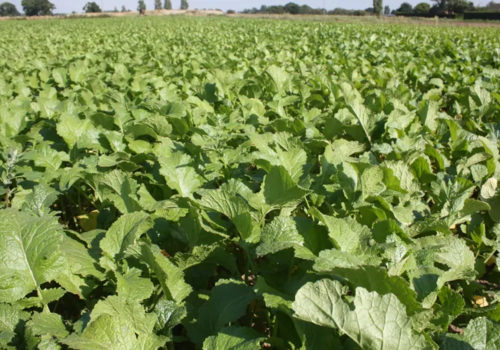
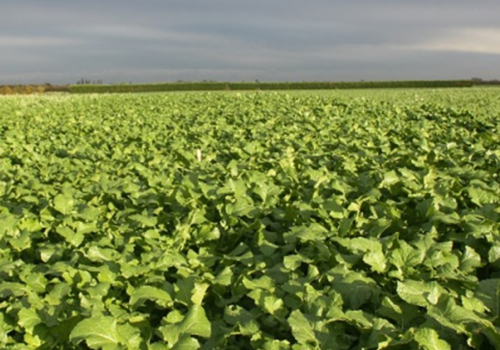
Cover crops have become an increasingly important part of many agricultural rotations to improve soil structure, increase organic matter and control against pests and diseases. Boston Seeds has proudly supplied cover crop seed to UK farms for over a decade, utilising extensive research and development trials to select the most effective varieties and mixtures. Wherever possible, seed is produced right here in the UK in conjunction with farmers and merchants alike, as well as sourcing the latest varieties directly from Europe.
Don't hesitate to get in touch to speak to one of our experts or request a catalogue to view our full range. Ordering regularly or looking for large volumes? Click here to apply for a trade account today - we review all applications within one working day. Looking for a bespoke blend? Get in touch with one of our experts for a custom quote.


What are the benefits of cover crops?
Cover crops seed mixtures can be used by growers to significantly reduce soil borne pests and improve soil health, stability and moisture, they can catch and fix nitrogen levels as well as provide an ideal break crop. They can also help control weeds such as blackgrass - ensuring the land is in the best possible condition ready for planting.
Cover crops are also a fantastic way to boost biodiversity and wildlife by creating an agroecosystem - not only benefitting your land, but the surrounding area too.
Here at Boston Seeds are very pleased to offer the EnviroSeeds range of cover crop seeds, which are formulated on the back of extensive independent trials and in partnership with leading breeders here in the UK and in Europe. With a diverse variety of cover crop seeds including clover seeds, radish cover crops and cereal cover crops such as Black Oats seed and Forage Rye seed - which are both fast growing and perfect for late seeding.
We also offer an excellent range of organic cover crops if you'd prefer to go for something that's as environmentally conscious as possible. Whatever your needs might be, we've got you covered... literally!
Custom mixtures are available on request, please contact us.
Cover Crops FAQs
How do cover crops work in agriculture?
Cover crops are grown to protect and improve the quality of the soil between crops. They act as live protection to help prevent erosion, stop the growth of weeds, keep moisture in the soil and natural cycle valuable nutrients.
What are the benefits of cover crops?
Cover crops seed mixtures can be used by growers to significantly reduce soil borne pests and improve soil health, stability and moisture, they can catch and fix nitrogen levels as well as provide an ideal break crop. They can also help control weeds such as blackgrass - ensuring the land is in the best possible condition ready for planting.
Cover crops are also a fantastic way to boost biodiversity and wildlife by creating an agroecosystem - not only benefitting your land, but the surrounding area too.
What are the best cover crops?
The best cover crop will depend on your specific goals, some of the most common types of cover crops include:
- Grasses and cereals, such as rye, oats and ryegrass produce large amounts of biomass, which makes them perfect for preventing weed growth, and keeping the quality of soil.
- Legumes such as hairy vetch, clover are great for fixing certain issues such as fixing atmospheric nitrogen into the soil.
- Brassicas such as radishes and mustard are great for sowing when you need to break up deep, compacted soils.
Some quick recommendations are:
- To fix nitrogen: plant legumes like crimson clover or hairy vetch.
- To break up compacted soil we recommend tillage radishes.
- To prevent erosion and suppress weeds we recommend winter rye and oats.
When to plant cover crops?
Cover crops are generally planted in late summer or early autumn, before the first expected frost, or in early spring before you plant your main summer crops. Your goals and the type of crop will depend on the best time of year to plant, check the specific requirements of the cover crop you are planting.
When planting in autumn, typically late August to mid October (soon after your last harvest) is best, you want to plant the cover crops at least a month before the ground fully freezes.
When planting in spring, make sure to leave at least 4 weeks before your primary planting, so planting when the soil is workable and has thawed is best.
For summer cover crops late spring or early summer is best, typically any risks of late frost and the soil is warm. Summer cover crops are great for building organic matter, fixing nitrogen or occupying an area of land that is unused for a season.
Buy With Confidence

We’re dedicated to making the highest quality, professional outdoor products available to everyone to truly make the most of their outdoor spaces - lawns, gardens, landscapes, equine, sports and agriculture. Trusted by over 200,000 happy customers with a reputation for professional quality, world-class service and outstanding value for everyone, since 2002.

We take quality seriously, supplying products you can trust. Our grass seed is DEFRA-certified for purity and germination, utilising the highest quality cultivars recommended by the Sports Turf Research Institute. Wildflower products are of known UK provenance and flower bulbs are sourced directly from the finest growers in the UK and the Netherlands.

With hundreds of items available for next day delivery, we take pride in getting your order to you quickly and efficiently. Our team of dedicated experts and friendly advisors are here for you when you need them. That’s why you can call us and get straight through to an advisor from 9am-5pm, Monday to Friday, or email us for a rapid response.
Help & Advice