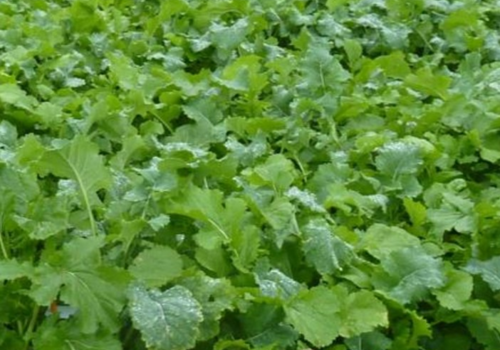
High-quality forage for cattle serves two purposes – it improves animal health and productivity while also reducing reliance on expensive concentrates.
What to Look for in a Forage Crop for Cattle
The following are key characteristics that should be prioritised when choosing a forage crop that is suitable for cattle:
- High palatability – cattle will thrive on feed they will readily consume, so palatable forage ensures consistent intake and better overall performance.
- Good digestibility – crops that break down easily in the rumen provide more available energy for growth, milk production, and body condition.
- High protein content – sufficient and adequate protein supports muscle development and milk yield. Legumes such as clover and lucerne are particularly valuable in this regard.
- Pest and disease resistance – resilient crops minimise yield losses and reduce the need for costly treatments.
- Good yield – high-yielding crops ensure sufficient forage supply, helping farmers maximise returns per hectare.
What to Consider when Choosing Forage Crops
Beyond the obvious benefits of protein and energy, practical factors also come into play when choosing forage crops:
Leaf-to-stem ratio – as leaves are more digestible than stems, a high ratio boosts feed quality and intake.
Drought tolerance – with increasingly variable weather, choosing crops that withstand dry periods will safeguard against forage shortages.
Winter hardiness – hardy crops extend the grazing season and reduce reliance on stored feeds.
Adaptability to different soil types – while some crops thrive on lighter soils, others are better suited to heavy clay. So matching crop species to site conditions will ensure a more reliable performance.
Forage Crops for Cattle
A balanced system often includes a mix of species, which will combine high protein with reliable bulk yields. The following crops are proven performers for UK cattle farmers:
Lucerne (Medicago sativa) - lucerne is a deep-rooting legume with excellent drought tolerance. It delivers high protein forage that is highly digestible, making it a valuable addition to dairy and beef rations. Best suited to free-draining soils, lucerne also fixes nitrogen, improving soil fertility for future crops, and can be planted as a green manure crop.
Red Clover (Trifolium pratense) - red clover is another protein-rich forage option, offering high yields and strong regrowth. With good palatability and digestibility, it supports both milk and meat production. Red clover mixes particularly well with ryegrass leys, extending the grazing period and boosting overall forage quality.
Kale - kale is a popular brassica forage crop, providing highly digestible winter feed. It offers a good balance of energy and protein, with excellent palatability. Kale is often strip-grazed and can be a valuable option for extending grazing into the colder months.
Stubble Turnips - fast-growing and adaptable, stubble turnips are an extremely effective, short-term forage catch crop ideal for providing a quick, high-energy forage option. They establish well after cereals and are an effective way to utilise ground between main crops. Their flexibility makes them a popular choice for finishing cattle.
Fodder Beet - Renowned for its high energy content and exceptional yields, fodder beet is a valuable winter feed. While it requires careful management at feeding to avoid digestive upsets, its energy density makes it ideal for supporting finishing cattle and high-yielding dairy cows, as it can produce substantial yields of high quality forage and is an excellent supplement to grass silage.
Forage Crops for Cattle from Boston Seeds
At Boston Seeds, in addition to our wide range of forage crop seeds, we also forage crop mixtures and arable silage mixture.
To find out more, simply contact our experienced sales team by email at [email protected] or phone on 01205 280069.