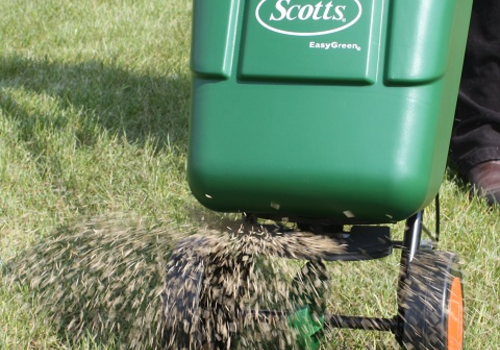
Fescue grass, such as red fescue, chewings fescue and hard fescue are cool season grass that have fine leaves. Due to their finer leaves, it creates a softer, more natural looking lawn. Choosing fescue grass seed is a great choice if you are looking to establish a lawn that is lower maintenance, shade and drought tolerant.
In this guide, we take a look at fescue grass seeds, its uses, how to care for it and other handy information you need to know. Looking for a ryegrass grass seed guide, we’ve got that too.
When should I choose a fescue grass seed mix?
A fescue grass seed mix should be used if you are looking for your lawn to have a natural, softer appearance while still being somewhat low maintenance. Once established it is relatively drought tolerant and can be grown in the shade, which makes it a popular choice.
Fescue is a good choice for ornamental lawns, front gardens, shaded gardens, banks, edges, under trees and areas where you want grass to look good without lots of fertiliser and mowing.
What are the different types of fescue grass seed?
There are actually a few different types of fescue grass seed, all with different properties. Some of the most popular varieties are:
- Red fescue, this is one of the most common types used in lawn seed mixtures. With a finer leaf, it creates a dense, but great looking lawn. Some red fescue are creeping which means they can slowly help fill in bare patches of your lawn.
- Chewing fescue, is another popular species, it is also fine leaved and creates a fine, high-quality lawn. Perfect for ornamental lawns. It is considered lower maintenance, however, it will not repair itself like creeping red fescue.
- Hard fescue is considered a very low maintenance grass that is great for dry, poor quality or sandy soils. Often chosen for areas where less mowing, feeding and watering happens, for example, grass verges, banks or in shaded areas.
Where do fescue grass species grow best?
The best conditions for fescue grass seed to grow is cool, temperatures with well-drained soil. Fescue is relatively drought tolerant, but it will need to be watered regularly while it is growing and establishing itself. It can grow in both shaded and non shaded areas, which is making it a popular choice in areas where other grass species won’t grow.
Fescue Grass Seed Quick Summary
|
Establishment |
Slower than ryegrass |
|
Wear tolerance |
Low to moderate |
|
Repairing bare patches |
Slower |
|
Appearance |
Fine, soft and ornamental |
|
Maintenance |
Low to moderate |
|
Shade tolerance |
Good |
|
Drought tolerance |
Good once established |
|
Best use |
Fine, shaded or low-use lawns |
Fescue Grass Seed FAQs
Is fescue grass seed good for shade?
Yes, fescue grass seed is a great choice for lawns in shaded areas. Fine fescues, especially red fescue and hard fescue, can grow with lower light levels better than many other grass types. However, even shade-tolerant grass still needs some sunlight to grow well.
Can fescue grass withstand heavy traffic?
Fescue has low wear tolerance. It is best for ornamental areas, shaded areas or lawn that look nice but don’t get a lot of use. We would recommend choosing a ryegrass grass seed if your lawn gets a lot of use.
How long does fescue grass seed take to grow?
Fescue is slower to establish than ryegrass. Germination time will depend on soil temperature, moisture and weather conditions, but it generally takes between 10 to 21 days.
Is fescue grass low maintenance?
Yes, fescue is considered low maintenance. Requiring less mowing and feeding than other grass species. Once established, it can cope well with drier conditions.
When is the best time to sow fescue grass seed?
The best time to sow fescue grass seed is during spring or autumn, when the soil is warm and there is enough moisture to support germination. Autumn is often the best time because there is less risk of hot, dry weather and fewer weeds competing with the new grass.