BS Bee Wildflower Plug Plant Collection
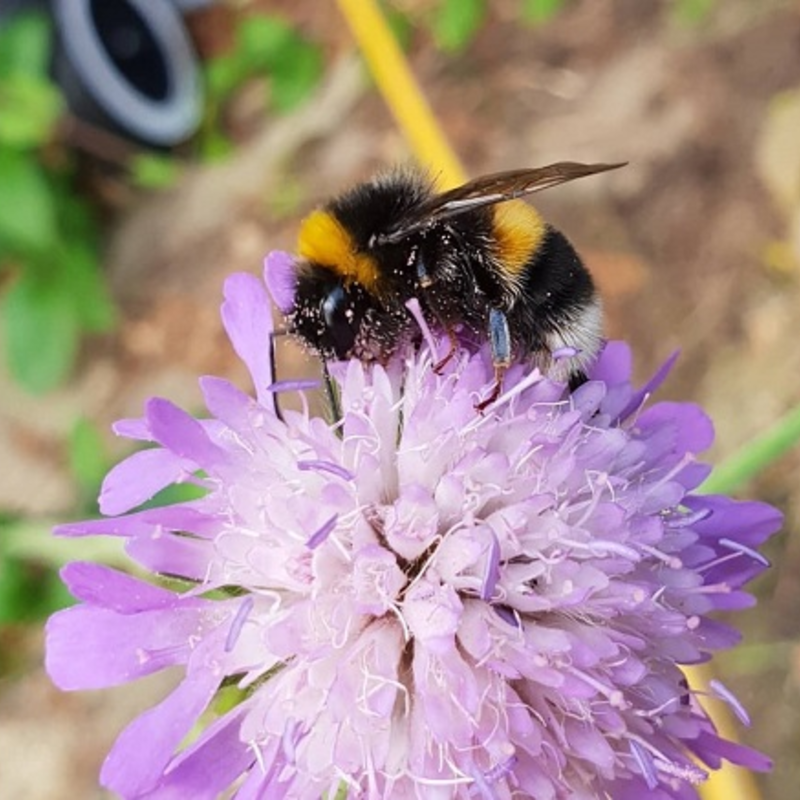
Wildflower plug plants for bees. Choose our selection of wildflower plug plants for bees to create a beautiful wildflower area in your garden, landscape or meadow and provide pollen and nectar for our native bees.
- Bee wildflower plug plants - small plug plant species available from our range, an excellent food source.
- A minimum of 10 species will be chosen from the species list and used in equal quantities.
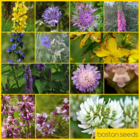
- Contents of Bee Wildflower Plant Collection.
Agrimonia eupatoria – Common Agrimony
Campanula glomerata – Clustered Bellflower
Campanula rotundifolia – Harebell
Centaurea cyanus – Cornflower
Centaurea nigra – Common Knapweed
Centaurea scabiosa – Greater Knapweed
Digitalis purpurea – Wild Foxglove
Echium vulgare – Viper’s Bugloss
Geranium pratense – Meadow Cranesbill
Hypericum perforatum – Common St. John’s Wort
Hyssopus officinalis – Hyssop
Knautia arvensis – Field Scabious
Lotus corniculatus – Birdsfoot Trefoil
Origanum vulgare – Wild Marjoram
Primula vulgaris – Wild Primrose
Serratula tinctoria – Sawwort
Stachys officinalis – Betony
Thymus polytrichus – Wild Thyme
Trifolium pratense – Wild Red Clover
Trifolium repens – Wild White Clover
Vicia cracca – Tufted Vetch
How to plant your wildflower plants
1 - Open up the box
On arrival open the boxes immediately, lightly water and leave them in good sunlight until they are required for planting. This will help them recover from being in transit. Ideally, they are best planted within a few days of arrival but will be ok if kept watered with access to sunlight.
2 - What to expect
These are supplied as plug plants and are a standard 40cc plug, roughly the length of your index finger. Most wildflowers die back in the winter but will still have a good root base.
3 - Planting time
Planting can be done year round providing the soil is moist and you will find the plants generally do better being planted in situ rather than being potted on. The optimum time for sowing is from September – May. Hold off planting if the soil is dry, waterlogged, hard or frozen.
4 - Preparation
Any grass should be close-mown prior to planting and the cuttings removed. It's advisable to clear/ mow the grass to around 10cm from around the plug until they are well established and remove any cuttings.
5 - Planting
To remove the plugs from the tray gently squeeze each one from the base and slowly pull it out.
6 - Depth and Spacing
Using a trowel or dibber, make a hole in the ground as deep as the plug itself. Plant the plugs 5 per square metre. Insert the plug and gently firm the soil around it and water well until established.
7 - Flowering
Sit back, relax and look forward to beautiful spring flowers! They may not always flower in their first year.
8 - Aftercare
Once your flowers have finished flowering, leave them to die back naturally. You can remove any dead foliage once the plant has finished seeding in the Autumn and take it back to around 10cm and remove the cuttings.
How to attract bees into your garden?
The best way to attract bees and insects to your garden is to plant bee friendly, pollen rich wildflowers. Opt for wildflowers that are native while rich in nectar and pollen as these will be most attractive to native bees.
Plant a diverse range of wildflowers with different shaped flowers to accommodate the diverse feeding preferences of pollinators like bees and butterflies. Different varieties have different blooming periods, so choosing a variety can ensure a good food source throughout the seasons.
When planting wildflowers, avoid using pesticides which can harm and kill bees and other pollinators. Another great way to attract bees is to add a bee house for solitary bees to lay their eggs in or create nests for bees hibernating during the colder months.
What are some bee friendly plants?
There are many bee friendly wildflowers to choose from, some of our favourites are:
- Foxglove
- Cornflower
- Cowslip
- Musk Mallow
- Common Knapweed
- Bluebells
- Dandelion
- Ox Eye Daisy
- Clover
- Yellow Rattle
- Lavendar
Different species of bee prefer different flowers, so planting a variety is crucial. For example, the common carder bee is particularly attracted to plants like foxglove, which flower throughout the growing seasons. The garden bumblebee also prefers plants such as foxglove and cowslip, which provide essential food sources.
Purple flowers, like lavender, are exceptionally visible to bees, making them ideal for a bee-friendly garden.
To find out more about bee friendly wildflowers, read our guide on wildflowers for bees. Or, choose a bee friendly wildflower plant mixture that has been specifically formulated to contain plants that bees will love.
How to maintain your garden for wild bees?
Our BS bee wildflower plant collection will provide you with the perfect species of wildflower to attract and help bees thrive. Once planted, they will require some maintenance to keep your garden the perfect haven for bees. Below we’ve listed some of our top maintenance tips.
- Soil quality - wildflowers tend to thrive better in poor soils, so avoid using fertilisers or compost while your wildflowers are growing.
- Weed control - keep an eye on the weeds growing in your meadow and remove any highly competitive weeds that might overpower the wildflowers. Yellow rattle is bee-friendly and can also help prevent grasses from overtaking the wildflowers.
- Don’t overwater - most wildflowers are drought tolerant so make sure not to overwater them, only water in periods of long drought.
- Add diversity - regularly review the types of wildflowers in your meadow and see which is thriving the best and attracting the most pollinators. Growing a diverse range of plants is best. Tubular-shaped flowers are particularly important for long tongued bees, such as the garden bumblebee.
Plant your wildflowers in the sun - Most types of flowers love the sun, therefore be mindful when planting on how many hours of sunlight they will receive.
Delivery Information
We’re proud to offer fast and reliable delivery. Please check the delivery label on each product page for specific delivery timeframes.
Items Marked as Next Day Delivery
- Orders placed before 2pm (Mon–Fri) will be dispatched the same working day with delivery the next working day
- Orders placed after 2pm are dispatched the next working day
- Orders placed after 2pm Friday are dispatched on Monday for Tuesday delivery (excluding Bank Holidays)
- Orders for Saturday delivery must be placed by 2pm Friday
Delivery Combinations
If your order contains a combination of next day and non-next day products, please note only the products marked next day will be delivered next day. The remainder of your order will be delivered within the timescales indicated.
Orders are sent via DHL, DPD, DX, Evri and Royal Mail, plus pallet networks for orders of approximately 100kg+.
| Delivery location | Excl. VAT | Incl. VAT |
| UK inc. Islands & Channel Islands up to 2kg (seed only) | £3.33 | £3.99 |
| Standard UK Mainland Delivery | £4.99 | £5.99 |
| Saturday (England & Wales) up to 30kg* (Orders must be placed by 2pm Friday) | £12.50 | £15.00 |
| Scottish Highlands and Islands up to 30kg* | £14.00 | £16.80 |
| Isle of Man, Isles of Scilly up to 30kg* | £17.00 | £20.40 |
| Channel Islands up to 30kg* | £12.00 | £14.40 |
*please enquire for orders over 30kg to these locations.
Collections
Customers are welcome to purchase items marked as next day delivery in person from our office and distribution centre at:
Manor Road
Kirton
Boston
PE20 1PH
Additional Information
- Orders over 100kg will normally be delivered on a pallet unless specified otherwise.
- Standard delivery takes place between the hours of 8am and 6pm, Monday to Friday.
- Orders containing multiple items may be delivered separately via multiple couriers.
- Unfortunately, we are unable to deliver to Northern Ireland or Europe.
***Please Note
Dates and indications for delivery are approximate and we cannot guarantee or be held responsible for delays in delivery dates or times. We do not refund delivery charges for delayed deliveries.
Please order from us with enough lead-time to prevent any loss or disappointment resulting from the delivery date or time. Under no circumstance will we be held responsible for any loss or damage incurred through delay in order fulfilment.
Please check that you have entered the correct delivery address before completing your order as we are unable to change it once processed.
CONTACT US
For any queries relating to your order, please contact [email protected]
Customers who bought this also bought:

Plants for Pollinators highlights plants selected by the RHS as scientifically proven to tackle the declines in bees, butterflies and other pollinators.
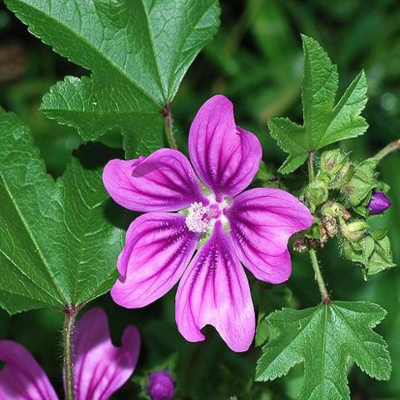
There's many a reason to plant the tough, adaptable and hearty bloom that is mallow: cherish it for its heart-winning, heart-shaped pink petals veined with violet, or for its numerous medicinal and culinary uses; it's a flower that promises to please in many different environments.
- Type: Perennial
- Height: 30-90cm.
- Flowers: June-September
- Soil Requirement: Moist but well-drained
- Light Requirement: Full sun
- Natural Habitat: Meadows, road verges
- Also known as: Cheese Cakes, Marsh Mallow, Round Dock
Buy With Confidence

We’re dedicated to making the highest quality, professional outdoor products available to everyone to truly make the most of their outdoor spaces - lawns, gardens, landscapes, equine, sports and agriculture. Trusted by over 200,000 happy customers with a reputation for professional quality, world-class service and outstanding value for everyone, since 2002.

We take quality seriously, supplying products you can trust. Our grass seed is DEFRA-certified for purity and germination, utilising the highest quality cultivars recommended by the Sports Turf Research Institute. Wildflower products are of known UK provenance and flower bulbs are sourced directly from the finest growers in the UK and the Netherlands.

With hundreds of items available for next day delivery, we take pride in getting your order to you quickly and efficiently. Our team of dedicated experts and friendly advisors are here for you when you need them. That’s why you can call us and get straight through to an advisor from 9am-5pm, Monday to Friday, or email us for a rapid response.