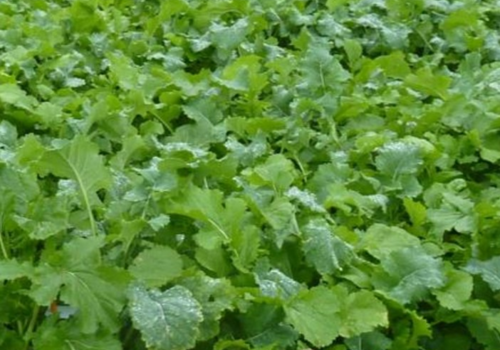
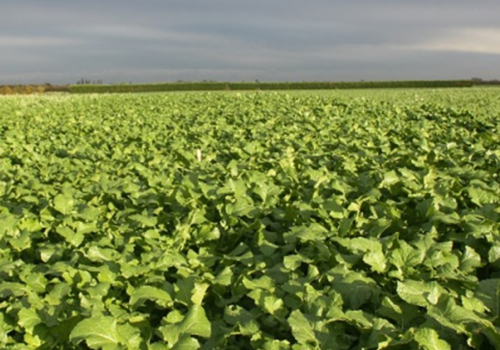
Cover crops have become one of the most effective tools available to UK farmers looking to improve soil health, reduce input costs, build resilience against extreme weather and maximise opportunities through the Sustainable Farming Incentive (SFI). Whether you're considering SFI SOH2, SFI SOH3 or other soil-focused options, understanding how cover crops work is key to getting the best agronomic and financial return.
What is a Cover Crop?
A cover crop is a crop grown primarily to benefit the soil rather than generate a direct cash return. Cover crops are typically established between two commercial crops to keep the soil covered and biologically active.
Rather than leaving fields bare after harvest, farmers can use cover crops to:
- Protect soil from erosion
- Improve soil structure
- Reduce nutrient losses
- Increase organic matter
- Support soil biology
- Capture carbon
- Improve water infiltration
- Suppress weeds
The principle is simple: soils perform better when they remain covered and living roots are present for as much of the year as possible.
Why Are Cover Crops Important for Modern Farming?
The challenges facing UK agriculture are growing. Heavy rainfall, drought periods, rising fertiliser costs and increasing environmental expectations all place pressure on farm profitability.
A well-designed multi-species cover crop can help address several of these challenges simultaneously.
Improved Soil Structure
Different plant species develop different rooting patterns. Some create fine fibrous roots that bind soil particles together, while others produce deep taproots that help alleviate compaction.
This diversity creates better soil structure, improving:
- Root penetration
- Drainage
- Water infiltration
- Soil aeration
- Earthworm activity
Better Nutrient Retention
Cover crops can capture nutrients that would otherwise be lost through leaching over autumn and winter.
Species such as oats, rye and other grasses are particularly effective at scavenging residual nitrogen, helping to retain valuable nutrients within the farming system.
Increased Soil Organic Matter
A significant benefit of cover cropping is the production of biomass above and below ground.
As roots and plant material decompose, they contribute to soil organic matter, supporting:
- Improved nutrient cycling
- Better moisture retention
- Enhanced microbial activity
- Greater long-term soil resilience
Reduced Erosion Risk
Bare soils are vulnerable to both water and wind erosion.
Maintaining living cover protects valuable topsoil, reduces runoff and helps retain nutrients where they can be used by future crops.
Supporting Regenerative Farming
Cover cropping is a cornerstone of many regenerative agriculture systems because it encourages continuous living roots, biodiversity and improved soil function.
For many farms, cover crops are now viewed as an essential management tool rather than simply an environmental option.
Understanding Cover Crop Species
Successful cover cropping starts with selecting the right species.
Most cover crop mixtures contain species from four key plant families:
Brassicas
Common examples include:
- Fodder radish
- Tillage radish
- Mustard
- Forage rape
Benefits:
- Deep rooting
- Compaction alleviation
- Nutrient scavenging
- Rapid establishment
Legumes
Common examples include:
- Vetch
- Crimson clover
- Berseem clover
- Red clover
- White clover
Benefits:
- Nitrogen fixation
- Improved soil biology
- Pollinator support
- Organic matter production
Cereals and Grasses
Common examples include:
- Black Oats
- Forage Rye
- Spring Tricacle
- Westerwolds Ryegrass
- Italian Ryegrass
Benefits:
- Nitrogen capture
- Biomass production
- Soil protection
- Weed suppression
Herbs
Common examples include:
- Phacelia
- Buckwheat
- Linseed
Benefits:
- Biodiversity
- Soil conditioning
- Pollinator support
- Nutrient mobilisation
Using species from multiple plant families often delivers greater benefits than single-species cover crops because each species performs a different role within the soil ecosystem.
SFI Cover Crop Options
The Sustainable Farming Incentive includes several actions that reward farmers for establishing cover crops.
These actions recognise the important role cover crops play in improving soil health and environmental outcomes.
SFI CSAM2 – Multi-Species Winter Cover Crop
SFI CSAM2, Multi-Species Winter Cover, requires a well-established multi-species cover crop over the winter months - December, January and February; to protect the soil surface and improve soil structure through varying rooting types. The mixture must contain two or more species from the following plant families:
- Brassica
- Cereal
- Grass
- Legume
- Herb
A typical mix may include:
- Forage Rye
- Oil Radish
- Vetch
- Clover
- Westerwolds
- Italian Ryegrass
Example of Cover Crop Mixes compliant with CSAM2 Multi-Species Winter Cover can include:
- EnviroSeeds Grabber: 80% Rye, 20% Vetch
- EnviroSeeds Winter Revivor: 50% Rye, 25% Vetch, 10% White Mustard, 5% Brown Mustard, 5% Crimson Clover, 5% Oil Radish
- EnviroSeeds Winter Vitality: 70% Vetch, 20% Crimson Clover, 7% Berseem Clover, 3% Phacelia
SFI SOH3 – Multi-Species Summer Sown Cover Crop
SFI SOH3 Multi-Species Summer Sown Cover Crop focuses on rapidly establishing diverse cover crop mixes during the summer months.
The action requires:
- A well-established cover crop
- At least four species
- Species selected from at least two eligible plant families
- Summer establishment, typically between June and August
SOH3 helps maintain soil cover following harvest while delivering significant improvements in soil biology, rooting activity and nutrient retention.
Because of the longer growing period and warmer conditions, summer-sown cover crops can generate substantial biomass and root growth in a relatively short space of time.
What Makes a Good SOH3 Cover Crop Mix?
A successful SOH3 cover crop mix should combine species that perform complementary functions.
A typical mix may include:
- Phacelia
- Buckwheat
- Clover
- Vetch
- Black Oats
Example of Cover Crop Mixtures compliant with SOH3 Multi-Species Summer Sown Cover can include:
- EnviroSeeds Summer Revivor: 35% Black Oats, 27% Spring Vetch, 15% Buckwheat, 10% Berseem Clover, 10% Linseed, 3% Phacelia
- EnviroSeeds Summer Vitality: 40% Vetch, 30% Buckwheat, 25% Linseed, 5% Phacelia
This approach delivers:
- Rapid establishment
- Strong rooting diversity
- Nitrogen capture
- Soil conditioning
- Biodiversity benefits
The ideal mix will depend on:
- Soil type
- Harvest timing
- Rotation
- Following crop
- Moisture availability
- Specific farm objectives
Summer vs Winter Cover Crops
Both summer and winter cover crops deliver important benefits, but their objectives can differ.
Summer Cover Crops
Summer cover crops are typically used to:
- Build biomass quickly
- Improve soil biology
- Capture nutrients
- Reduce erosion
- Increase organic matter
Warmer temperatures and longer daylight hours generally result in rapid establishment and significant growth.
Winter Cover Crops
Winter cover crops are often focused on:
- Protecting bare soils
- Reducing nutrient leaching
- Improving trafficability
- Maintaining living roots
They can also provide opportunities for livestock integration where appropriate.
How Cover Crops Support Long-Term Farm Profitability
While SFI payments provide an immediate financial incentive, the long-term value of cover cropping often comes from improved soil performance.
Many growers report benefits such as:
- Easier cultivations
- Improved water management
- Better crop establishment
- Reduced erosion
- Greater resilience during extreme weather
- Enhanced nutrient efficiency
Over time, healthier soils can contribute to more consistent crop performance across the rotation.
The Future of SFI Cover Cropping
As farming increasingly focuses on soil health, carbon management and environmental sustainability, cover crops are expected to remain central to modern crop production systems.
Whether you are looking to comply with SFI SOH3 Multi-Species Summer Sown Cover Crop requirements, improve soil structure, boost organic matter or support regenerative farming objectives, a carefully designed cover crop can deliver benefits well beyond the life of the scheme itself.