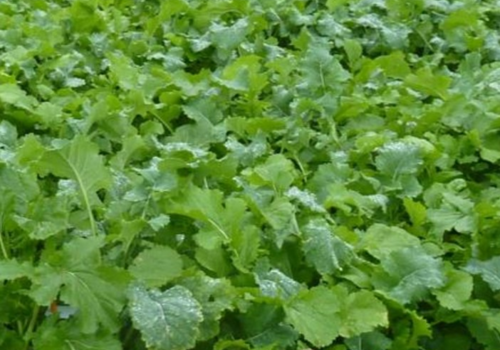
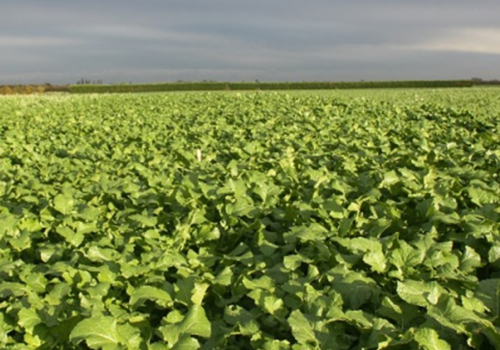
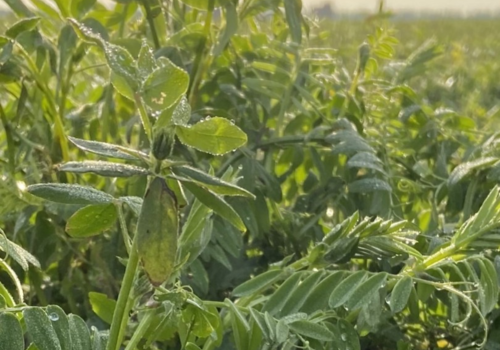
Cover crops are used by farmers to improve their soil rather than be harvested and sold, they essentially cover an area to prevent erosion, surpress weeds and add nutrients.
Farmers and gardeners use them as a sustainable agricultural practice to enrich the land between growing seasons.
What are the Common Types of Cover Crops?
There are three main types of cover crops, legumes, brassicas and grasses and cereals, all with different functions.
- Legumes, such as clover, vetch, and peas help replenish soil nutrients by pulling nutrients from the air. Often a more eco-friendly option for farmers as it helps reduce the need for synthetic fertilisers.
- Grasses and cereals, such as rye, oats, barley and wheat, help prevent soil erosion, improve soil structure and suspress weed growth. Their deep root systems hold the soil together, reducing runoff and retaining moisture.
- Brassicas and other broadleaf crops, such as mustard, radish and turnips, help break up compacted soil, suppress pests, and improve soil aeration.
The Benefits of Cover Crops
Cover crops offer a range of benefits that enhance soil health, biodiversity, and overall farm productivity.
Soil enrichment - cover crops prevent soil depletion by replenishing essential nutrients, particularly nitrogen. When these plants decompose, they release organic matter that improves soil fertility.
Erosion control - bare soil is susceptible to wind and water erosion. Cover crops provide ground cover, reducing soil loss and preserving its structure.
Weed suppression - by shading the soil and releasing natural chemicals, cover crops prevent weeds from growing, reducing the need for herbicides.
Moisture retention - the root systems of cover crops help to improve water infiltration and to reduce evaporation, ensuring soil remains hydrated for longer periods.
Pest and disease management - some cover crops, such as Black Oats (Avena strigosa), release compounds that deter pests, while others including clover, and buckwheat, attract beneficial insects that can help control harmful populations.
Carbon sequestration - cover crops absorb atmospheric carbon, helping to mitigate climate change by reducing greenhouse gas emissions from agriculture.
How to Use Cover Crops
Cover crops are typically planted either in between main crop growing seasons or during the off-season.
- Select the right cover crop - choose a crop that aligns with your soil needs and growing conditions. For example, for nitrogen fixation, legumes are ideal, and for erosion control, grasses work best.
- Planting time - cover crops can be planted in late summer, early autumn, or after harvesting the main crop. Timing is crucial to ensure they establish before winter.
- Managing growth - depending on the crop, some may need occasional mowing to prevent excessive growth. This helps maximise soil benefits without interfering with the next planting season.
Termination and incorporation - before planting the next main crop, cover crops are typically cut down, tilled into the soil, or left as mulch to decompose naturally.
Cover Crops from Boston Seeds
With over a decade’s experience in supplying cover crop seed in the UK,
here at Boston Seeds, we understand how essential Cover Crops are for sustainable agriculture, benefiting both the environment and farm productivity.
We have a wide range of cover crops to choose from or request a catalogue to view the entire range. Alternatively, call our expert sales team on 01205 280069 for any other help and advice. We also offer trade accounts.