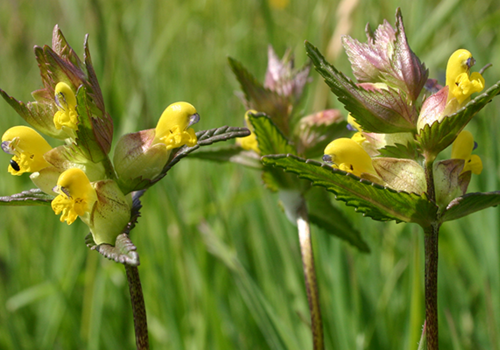
Looking for ideas on how to create a wildflower meadow? You’re in the right place. In this guide we explore everything you need to know when creating a wildflower meadow from wildflower seed mixes and wildflower plug plants whether it’s in your garden or an open space.
Alongside plenty of advice on our blog, we also have a wide range of UK native wildflower seeds, perennial wildflower seed mixes and annual flower seed mixtures, suitable for gardens, landscaping, conservation projects, road verges and biodiversity schemes. Need some help, get in touch.
How to choose the right wildflower seed mix, wildflower plug plants or wildflower bulbs?
The most important thing to first decide is the type of wildflower seed you will need or if you will be using wildlfower plug plants, different mixtures have been formulated for different reasons. For example:
- 100% wildflower seed mixes: best where you want pure wildflowers without grass.
- 80/20 wildflower meadow seed mixes: best for creating a traditional meadow with wildflowers and grasses.
- Annual wildflower seeds: best for fast colour in the first year.
- Perennial wildflower seeds: best for long-term displays that return each year.
- Bee and butterfly mixes: best for pollinator-friendly wildflower spaces.
- Shaded area wildflower mixes: best for lower-light gardens and woodland edges.
- Wetland and pond mixes: best for damp soils, pond edges and wetter sites.
- Wildflower plug plants: best for adding established wildflowers into existing grassland, filling gaps, improving species diversity or planting smaller areas where sowing seed may be less reliable.
- Wildflower bulbs: best for adding seasonal colour and variety, particularly in gardens, meadows, woodland edges and naturalised areas. Bulbs can help extend the flowering season and provide early nectar sources before many wildflowers are in bloom.
How to design the perfect wildflower meadow?
Designing a wildflower meadow is a fun and creative process, here are some tips to help you get started:
- Choose a location: Select a location that receives full sun to partial shade and has well-draining soil. This will provide the ideal conditions for wildflowers to thrive.
- Select a mix of wildflowers: Choose a mix of wildflowers that are suitable for your soil type and the amount of sunlight your garden receives. A diverse mix will create a more resilient and visually appealing meadow.
- Consider the size: Think about the size of the meadow and the number of wildflowers you want to plant. Larger meadows can support more species and create a more dramatic effect. At Boston Seeds, we have bulk wildflower seed mixes available to help save time and improve cost efficiency.
- Create a design: Plan the layout of your meadow, including the placement of wildflowers and any other features you want to include, such as pathways or seating areas. This will help you achieve a cohesive and attractive design.
- Plant the wildflowers: Follow your design plan and plant the wildflowers accordingly. Be sure to follow the recommended planting densities and spacing for each species.
How to prepare a seedbed for wildflower seed?
Before making a wildflower seedbed, first, you need to kill any grasses, weeds or other plants in the area. You can do so by spraying, or completely lifting the turf. A few months before sowing is best, to make sure the work has been effective. After the area is cleared, the soil has to be broken up with a fork, or a petrol tiller if you are doing a large area.
Establishing a Wildflower Meadow with Wildflower Seed
How to establish a wildflower meadow using wildflower seed?
- Start by removing all existing weeds and other material. If the area has been overgrown with weeds for several years, it is important to reduce the number of weed seeds in the soil. It may be necessary to allow time for the first flush of weeds to germinate then remove before attempting to sow any wildflowers.
- Wildflowers prefer a poor soil with low nutrients. If practical, remove any good quality top soil.
- Once the weeds have been removed, prepare soil to a fine tilth ready for sowing your wildflower seeds. Try not to disturb the soil any further as this may bring more weed seeds to the surface.
- Choose a wildflower seed mixture suitable for your soil conditions. If uncertain, remember to think about what your soil is like during the growing period from March - October (most soils during the winter can be heavy and wet).
- Sow your wildflower seed. Sowing times can be any time during the period from the end of March to the end of October. The ideal time being the cooler spring and autumn months - avoid the hot summer months.
Sow wildflower seed at 5 gms/m2 for wildflower grass mixes and 3gms/m2 for only wildflower seed, it should not be necessary to rake the seed over as the light helps germination of many species.
To assist sowing, it is advisable to mix the wildflower seed with a carrier such as dry sand. This will help in distributing the seed evenly over a large area. A seed spreader can also help with this.
Once sown, the nurse grasses will appear within 7 - 10 days; the wildflowers may vary depending upon species - some may take only a few weeks, while others can take several months.
How to create a wildflower meadow using wildflower plug plants
Looking to use wildflower plant plugs to create your meadow? We’ve listed all the things you need to know when using wildflower plants.
In some situations, transplanting young wildflower plug plants into grassland is a useful technique to enable the creation of a rich flora. The best time for transplants is in the autumn when they are able to develop a good root system before active spring growth, or in the spring as soon as soil temperature rises to 10 degrees centigrade or above.
Wildflower plug plants can be introduced into existing grassland that's lacking in flora, or to augment the result from sowing seed mixtures.
Suggested planting density is one plant of each species per square metre, with a maximum of five species per square metre. The area for planting should be close-mown prior to planting and the cuttings removed. Planting is practical at any time of the year, but the soil must be moist. Optimum planting time for wildflower plants is August to October.
Care should be taken that the plants are watered thoroughly prior to planting, are firmed in well and are not allowed to dry out in the critical weeks following their introduction.
Grass should be mown down to 60-75mm each time it reaches a height above 100mm and the cuttings removed. This allows light and space for the young plants. If the growth of grass is very strong on fertile sites, mowing will be vitally important until the inherent fertility falls.
Our tips for using wildflower plants
Using wildflower plants is a great way to add a natural touch to your garden. Here are some tips for using wildflower plants:
- Choose the right plants: Select wildflower plants that are suitable for your soil type and the amount of sunlight your garden receives. This will ensure that the plants thrive in their new environment.
- Plant at the right time: Plant wildflower plants at the right time of year for your climate. In general, spring and fall are the best times to plant, as the temperatures are cooler and the soil is moist.
- Water thoroughly: Water wildflower plants thoroughly after planting and keep the soil consistently moist during the first growing season. This will help the plants establish strong root systems.
- Mulch around the plants: Mulch around the plants to retain moisture and suppress weeds. This will reduce competition and help the wildflowers grow.
- Deadhead: Deadhead wildflower plants regularly to encourage more blooms and prevent self-seeding. This will keep your garden looking tidy and vibrant.
Establishing a Wildflower Meadow with Wildflower Bulbs
How to create a wildflower meadow using wildflower bulbs
All our wildflower bulbs are suitable for naturalising in conditions that are close to their natural habitat.
Bulbs grow best if planted when they are dormant in the late summer and autumn. At this time, they can be planted in large drifts in grass or under trees. Some bulbs are supplied as freshly lifted for immediate planting.
The key to successful planting is good preparation, making sure that the ground is weed free and the grass cut short.
In general, we recommend that wildflower bulbs should be planted at a depth equal to the height of the bulb, except:
- Snowdrops - 5 cm
- Summer snowflakes - 10 cm
- Daffodils - 10 cm
- Bluebells - 5 - 10 cm
- Snake's head fritillary - 10 cm
- Wood anemone - 2 cm
How to maintain your wildflowers meadow?
To keep your flower meadow in good condition, go over the area with a strimmer at the end of the season, in September or October - after the plants have all finished flowering. Then remove the debris and go over the area with your mower, cutting down to 15cm or so. For more information, please read our blog on how to maintain your wildflower meadow or garden.
How we can help!
Do you have a question about how to establish a wildflower garden? Or want to know more about the different wildflower species you'll find here in the UK? At Boston Seeds we take pride in excellent customer service.
Get in touch with our friendly experts who'll be happy to help.