In the UK, the two main sowing seasons for wildflower seeds are autumn (August to October) and spring (March to May). Each season has its advantages, depending on your goals and the type of wildflowers you wish to grow.
Wildflowers bring colour, biodiversity, and ecological benefits to gardens, meadows, and urban spaces all across the UK. However, knowing when to plant perennial wildflower seeds is crucial for successful germination and growth. The best time to sow wildflower seeds depends on several factors, including the species of flowers, soil conditions, and local climate.
Sowing Wildflower Seeds in Autumn
Autumn is often considered the best time to sow, particularly for UK native wildflower seeds that thrive in a natural seasonal cycle.
What are the benefits of sowing wildflower seeds in autumn?
There are a number of benefits to sowing wildflowers in Autumn, including:
- Natural stratification - many wildflower seeds need a period of cold weather to break dormancy and trigger germination in spring. Sowing in autumn allows this natural process to occur.
- Earlier flowering - seeds sown in autumn will germinate early in the spring, leading to a longer flowering period.
- Less competition from weeds - autumn sowing takes advantage of the natural decline in weed growth, reducing competition for young wildflowers.
- Moist soil conditions - the UK’s autumn rainfall helps keep the soil moist, providing ideal conditions for seeds to establish.
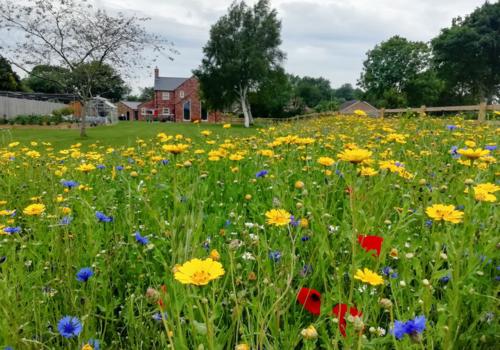
It is best to sow perennial wildflower seeds in autumn, such as oxeye daisy, red campion, cowslip, and meadow buttercup. Hardy annuals like cornflower and poppy can also be sown in autumn for early blooms.
Sowing Wildflower Seeds in Spring
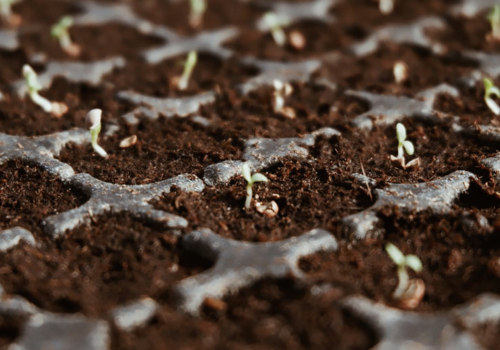
Spring sowing is also an excellent option, particularly if you missed the autumn window or prefer a quicker flowering display, as it provides good conditions for germination and establishment.
What are the benefits of sowing wildflower seeds in Spring?
There are a number of benefits to sowing wildflowers in Spring, including:
- Longer daylight hours - seeds germinate more quickly in spring as days get longer.
- Ideal for annual wildflowers - many annual species, such as corn marigold, thrive when sown in spring and will flower the same year.
- Control over weed competition - since you can prepare the soil more thoroughly in spring, it can be easier to manage weeds before sowing.
It is best to sow annual wildflower seeds in spring as they bloom in the same year, making them perfect for adding a quick burst of colour to your garden.
What to Consider Before Sowing Wildflower Seeds?
Before sowing wildflower seeds, it’s important to consider a few key factors to ensure the best results.
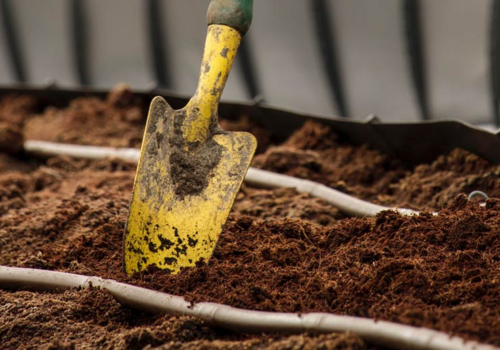
- Soil preparation - remove existing grass, weeds, and vegetation to reduce competition. Avoid adding fertiliser as wildflowers thrive in low-nutrient soils. Rake the soil lightly to create a fine, crumbly surface.
- Weather conditions – for autumn sowing, choose a dry day to avoid seeds washing away in heavy rain. For spring sowing, wait until the risk of frost has passed to ensure successful germination.
- Choosing a wildflower seed mix - different seed mixes cater to various soil types and environments. Consider factors such as shade, sun exposure, and soil pH when selecting seeds.
- Maintenance and care - water the area gently if dry conditions persist, especially in spring. For autumn sowing, monitor for frost damage and protect seedlings if necessary. Avoid mowing until the wildflowers have set seed to encourage natural reseeding.
For detailed information about establishing wildflower seeds, check out our dedicated article, Establishing a Wildflower Meadow or Garden.
Can soil type affect when to sow wildflower seeds?
Time of year is an important factor to consider when sowing wildflower seeds, but so is soil type. Soil type can affect when you should sow wildflower seeds.
Light, free-draining soils are often well suited to autumn sowing because seeds can establish before winter and benefit from natural cold weather. Heavy clay soils, or areas that sit wet during winter, are often better sown in spring when the ground is warmer and easier to prepare.
Wildflowers usually prefer low-nutrient soil, so avoid adding compost or fertiliser before sowing. If the soil is too fertile, grasses and weeds may grow strongly and outcompete the wildflowers.
Our Month-by-Month Guide to Sowing Wildflower Seeds
If you’re wondering if you can sow wildflower seeds outside of the typical sowing periods, we’ve added some of our recommendations month by month on sowing wildflower seeds.
January to February: You should avoid sowing wildflower seeds during January and February, as it is the coldest part of winter and typically the ground is frozen or waterlogged, which can prevent the wildflowers from establishing themselves. If the conditions are milder, you may use this time to start preparing the area you plan on sowing wildflower seeds, by removing any debris or weeds.
March to May: Spring is one of the main sowing windows for wildflower seeds in the UK. This is a good time to sow annual wildflowers for colour in the same year, as well as many perennial mixes. Sometimes you may begin to sow early March but if it is a particularly cold wet spring, we recommend waiting until the weather is a little warmer and less waterlogged as this can affect establisment.
June to July: During the early summer months, sowing may be possible, however, typically the dry weather doesn’t provide the best environement for germination. If you plan on sowing wildflower seeds in summer, keep the soul moist.
August to October: Autumn, during the months of August and October, is often the best time to sow native perennial wildflower seeds. The soil is warm, rainfall is consistent and many species benefit from a cold period over winter before germinating in spring.
November to December: Late sowing can be risky because cold, wet conditions may reduce establishment. However, some species that need winter cold, such as yellow rattle, are commonly sown in autumn or early winter when conditions are suitable.
Wildflower Seeds from Boston Seeds
Our 100% UK native wildflower seed mixes are the culmination of over 20 years’ experience and are trusted by both The Environment Agency and The National Trust. Designed to create nectar-rich displays for native pollinators, our mixes contain annual and perennial wildflower seed varieties (see Are Wildflower Seeds Annual or Perennial? for more on the differences between the two). For a more instant result, browse our ColourMax Annual Flower Seeds which contain a blend of native British wildflowers with species from around the world.
If you want to order on a regular basis or in large volumes, why not apply for a trade account? (all applications are reviewed within one working day). Request a catalogue to browse our entire range or, for any enquiries, contact the team by email or phone on 01205 280 069