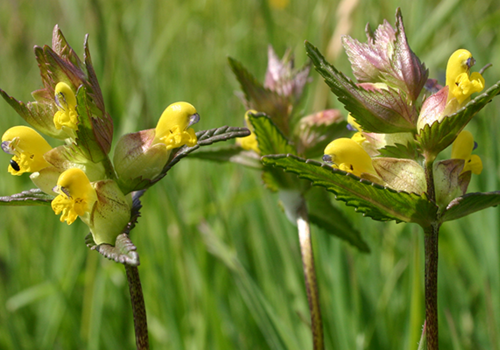
Whether you have extensive grounds, or an inner city apartment with a balcony, incorporating wildflowers into your outside space will transform it into a vibrant and beautiful space, and offer several other benefits.
Wildflowers are Essential for Pollinators and Increasing Biodiversity
Pollinators such as bees, butterflies and other insects are pivotal in food and crop production and plant pollination. Sadly, their populations have been in decline thanks to loss of habitat and the use of pesticides. However, wildflowers provide nectar and pollen – perfect food sources for our pollinators - and are the perfect haven for these indispensable creatures.
In addition to the vital role they play in the lives of our pollinators, wildflowers help to sustain a wide range of wildlife, increasing biodiversity to create a vibrant ecosystem. They provide food and shelter for birds and small mammals, producing seeds for birds.Wildflowers provide food, shelter and breeding grounds for wildlife in both urban and suburban areas.
Ecological Benefits of Wildflowers
• Wildflowers improve soil health – by preventing soil erosion, and enhancing the soil structure through improved aeration and water infiltration.
• Some wildflower species, naturally enrich the nitrogen content of soil, reducing the need for synthetic fertilisers.
• Fewer fertilisers will help reduce harmful runoff that can pollute waterways.
• By improving soil health, wildflowers can reduce the need for pesticides and fertilisers, rendering gardens more ecologically resilient.
• As wildflowers are drought-resistant, much less water is needed in the garden and many wildflowers require little to no irrigation once established.
Wildflowers are Low Maintenance
Unlike ornamental flowers that demand careful watering, fertilising, and pruning once established, wildflowers are naturally adapted to their environment. Native wildflowers, in particular, are hardy and can thrive in local soil and weather conditions with minimal intervention. Requiring less weeding than conventional garden plants, wildflowers are an excellent choice for gardeners who want a low-maintenance yet flourishing landscape.
How to Grow Wildflowers
• Choose an area where your wildflowers will flourish – they will thrive in an area with good drainage and plenty of sunlight.
• Choose the right seeds – native wildflower seeds provide the ideal food source for local bees. Dandelions (Taraxacum officinale), while much maligned by lawn connoisseurs, are a great source of pollen.
• Prepare the soil - dig up the soil and remove weeds, then rake it to create a fine seedbed.
• Sow the seeds – seeds can be scattered evenly over the prepared soil and gently raked in.
• Maintenance - mow the area regularly to prevent grasses from outcompeting wildflowers, or leave it unmown to create a more natural meadow.
For more detailed steps on growing wildflowers, read How to Plant Wildflowers for Bees.
Wildflower seeds, plug plants or bulbs ?
If you are unsure which option is best for your space please read our blog guide to help you on your way:
Wildflower Seeds, Plugs or Bulbs Guide
At Boston Seeds we take pride in excellent customer service. Get in touch with our friendly experts who'll be happy to help.