To maintain a healthy, luscious and green lawn there are many things to keep in mind to prevent your lawn from being damaged. In this blog, we look at the different common lawn problems that can affect your lawn's health and appearance.
Environmental Factors
Depending on the environment and climate you live in, there can be a number of things that affect your lawn so it is important to be aware of them and how to solve them.
Weather
One of the more obvious factors that can affect a lawn is weather. Prolonged periods of drought can cause dry, brown patches and heavy rainfall can cause your lawn to become waterlogged. When the weather is dry, make sure to regularly water your lawn, if waterlogged then aerate compacted soil with a garden fork or hollow-tine aerator to improve water flow.
Soil Conditions
Compacted soil restricts root growth and water absorption, and a lack of essential nutrients makes the lawn weak and prone to invasion by weeds and moss. Again, aerating your lawn can help water, air and nutrients reach the roots.
Incorrect Care
Mowing
Cutting the grass too short can cause the grass seed making it susceptible to diseases. Alternatively, letting your grass get too long can result in a patchy lawn also prone to disease when then cut.
Fertilising
Over fertilising can burn your grass, whilst not fertilising enough or with the incorrect fertiliser can lead to nutrient deficiencies and therefore weaken your grass.
Over Use
Heavy footfall from people or animals can negatively affect your lawn by compacting the soil and damaging the turf. If you expect heavy footfall on your lawn, then choosing a more durable, hard-wearing grass seed is recommended.
Pests and Diseases
Pests
Various insects and bugs can feed on the grass roots, steams and leaves which can cause damage to your lawn. Ensuring your lawn is free from debris such as grass clippings, leaves or twigs can help also maintaining regular mowing, watering and fertilising can discourage common lawn pests. Adding regular targeted treatments can also help repel pests if you have regular problems with certain types.
Diseases
There are many common lawn diseases that can affect a lawn. In order to protect your lawn from disease then it is important to ensure healthy grass growth by mowing to the correct height, watering enough but less frequently, and fertilising with seasonal, slow-release nutrients, to avoid over-fertilisation. Read our blog on common lawn diseases to find out more.
Weeds and Grasses
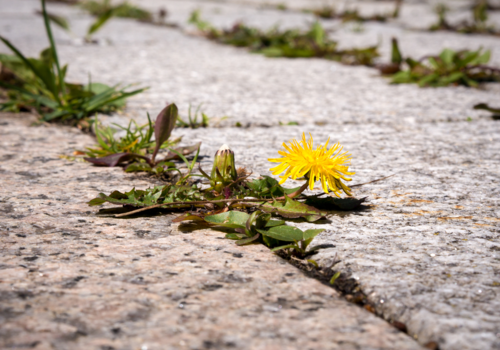
Weed control is important to maintaining a healthy lawn. Weeds and rough grasses will take advantage of any weaknesses in your lawn. A thick, healthy lawn helps to dissuade these unwanted plants from growing, but if they do break through, they need to be treated quickly before they take over. Here is our guide on how to recognise and deal with the most common unwanted weeds and grasses in your lawn.
Annual meadow grass and rye grass
These grasses are actually quite desirable in utility lawns and so they may well go unnoticed, but if you have a fine-leaved ornamental lawn, then they can be troublesome. Golf courses are particularly susceptible to these types of grasses and they can only really be controlled by hand pulling the plants as soon as they appear. If they are completely out of control, you can only remove them by starting again and deep scarifying and overseeding the whole affected area. Read our article on overseeding an existing lawn for more information about overseeding.
Yorkshire Fog
Yorkshire Fog is a broad, soft, pale green leaf that is sometimes mistakenly called 'couch grass'. It forms in clumps and so it is quite noticeable when it appears. If you want to get rid of it, you must cut out each individual plant as it appears, or replace entire clumps with new lawn seed, grass seed or turf.
Rough Stalked Meadow Grass
The worst of the weed grasses is the least common, but also the easiest to treat. Rough stalked meadow grass has stiff, broad, dark green leaves and forms in dense clumps or whorls. If you have this grass in your lawn it will be very obvious and you should remove it as soon as you spot it, or it can quickly take over the lawn. If you catch it early, then it will not be able to establish. Small patches can be pulled or dug out and replaced with new seed. Larger patches may need to be killed off and reseeded.
Lawn Seed from Boston Seeds
At Boston Seeds, our grass seed is sold certified, which means it has exceptionally high standards of purity and germination for the best results. We have a number of different varieties of grass seed for a number of different conditions and uses.
It is important to choose the right lawn seed for your lawn, for example, if you have a shaded garden, then it is crucial to choose a lawn seed that thrives in the shade or if you have children or dog, then choosing a hard wearing lawn seed is important. If your current lawn just needs a bit of care, then our lawn repair grass seed can get your lawn back to looking its best.
Read our guide on how to care for your lawn to keep it looking its best once it's established. Or, take a look at our monthly lawn care tips to see how to care for your lawn in each month of the year.
How we can help!
If you're growing a lawn from scratch but unsure how much grass seed you need, our handy Grass Seed Calculator can help you figure it out in just a few clicks!
With Next Day Delivery on hundreds of items too, choosing from our extensive range of lawn seed couldn't be easier. Ordering regularly or looking for large volumes? Click here to apply for a trade account today - we review all applications within one working day.
Have a question about best practice when it comes to growing your lawn from grass seed? Or unsure which grass seed is best for your needs? Get in touch with our friendly experts who'll be happy to help.
Get in touch with our friendly experts who'll be happy to help.