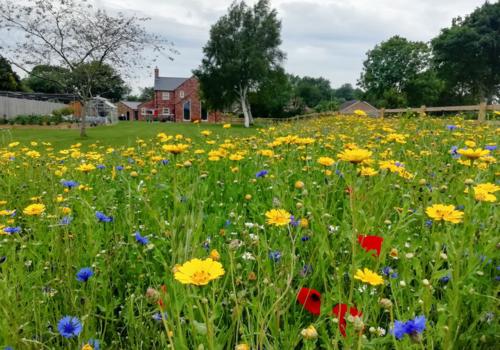
Once you’ve established your wildflower garden, it’s important to learn how to properly maintain it. A properly maintained wildflower garden will let you enjoy beautiful native wildflowers for years to come.
How do you look after a wildflower garden?
To keep your wildflower garden looking its best, you’ll need an annual maintenance plan.
While young wildflower plants are establishing themselves, the grass will need to be kept reasonably tidy. In the first year of sowing the nurse grasses will require cutting twice during the spring at 5cm. In the first summer, you can skip cutting them and then carry out two more cuts in the autumn at 5cm.
Once the wildflowers have established themselves during the second year, there is a slight change to the cutting regime. You’ll want to begin a regular summer cut from the second year onward. This cut is also known as the ‘hay cut’ and is done between June and August.
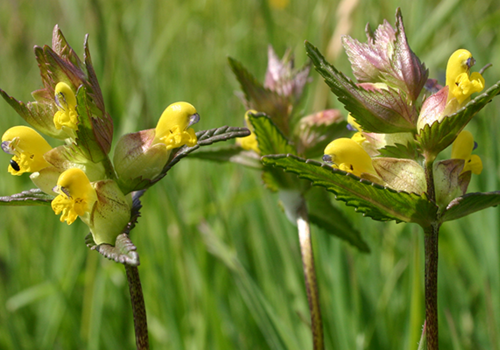
TOP TIP: It will depend on exactly which wildflowers you grow when you should cut it. Flowers like Cowslips favour cutting earlier, whereas flowers like Knapweed prefer to be cut later.
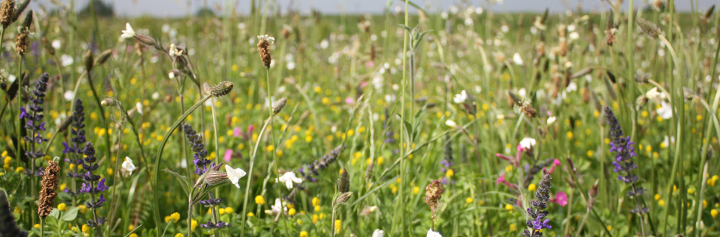
The first cut in the autumn should be done without the mower box attached, thus allowing the mature seed heads to shed their seed back into the soil. After this, leave them for 2 to 3 weeks. During this time, the seed heads will dry out and release seed back into the soil, the final cut will tidy the whole area and remove any dead material.
Keeping your wildflower garden pruned will help promote healthier plants so you can enjoy a healthier, more colourful wildflower meadow.
Throughout the year, keep an eye out for any unwanted weeds in your wildflower garden.
Do wildflowers die in winter?
Whether or not your wildflowers come back year after year will depend if you are planting annual wildflowers or perennial wildflowers.
Annual Wildflowers
Annual wildflowers live and die in a single growing season. This means you need to replant annual wildflowers every year. The main benefit of annual wildflower plants is that you can quickly establish your wildflower meadow. We have a range of annual wildflower seeds if you want to quickly enjoy a kaleidoscope of colour in your wildflower garden.
Perennial Wildflowers
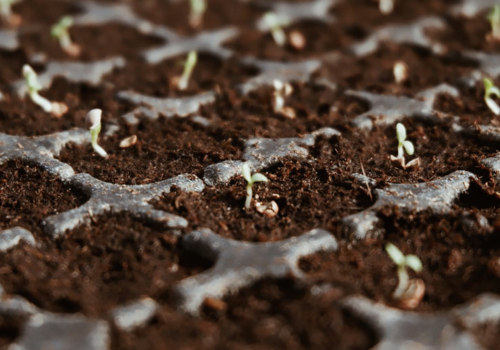
Perennial wildflowers will grow back year after year. They take longer to establish, and you will most likely only see green foliage without any flowers in the first year, but you won’t need to replant them.
Are wildflowers seasonal?
Wildflowers do have general growing seasons, but it’s important to note that they don’t follow the calendar, they follow the weather. If you are growing a wildflower plant that is known to flower in spring but it has been unseasonably cold, you may find you need to wait until the weather warms up again!
Wildflowers are generally pollinators, like our Bee and Butterfly Wildflower Seed Mix, so their life cycle is based around getting pollinated and dispersing their seeds before the cold winter months. This means they’ll try to flower in sync with when pollinating insects have begun to fly. When you start to hear the buzz of bees, you’ll probably start to see some of your wildflowers blooming!
Some wildflowers are known as early pollinators, which means they bloom especially early. Snowdrops for example are particularly popular early pollinators as they flower as soon as February. You can even buy snowdrop wildflower bulbs ‘in the green’ which are ready to be planted directly in your garden in the winter.
To ensure your wildflower garden can stay colourful year round, consider looking at a wildflower seed mix like our Dual Purpose Wildflower Seed Mix. This wildflower seed mix features wildflowers that flower between May and October, so you can enjoy your wildflower meadow for longer.