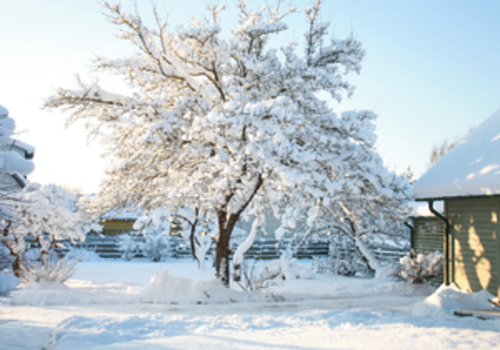
During the winter months, lawn care is mainly focused on protecting your lawn and making sure it is well prepared for the harsher weather conditions.
Grass can grow very slowly or not at all, so any big lawn care or maintenance can do more harm than good. In this guide, we explore everything you need to know how to keep your lawn protected during winter.
Remove any debris
Just like in our autumn lawn care guide, we recommend keeping your lawn clear of debris, such as fallen leaves, twigs or any else sitting on top of your lawn. Things left on your lawn can block sunlight, airflow and trap unnecessary moisture around the grass which can encourage moss growth, disease and weaken your grass.
Try to avoid any aggressive raking when the lawn is very wet or frozen as this can cause unnecessary damage to the lawn. Use a lawn blower or your hands to collect debris.
Stay off your lawn
If your lawn is covered in water, frost or snow then, yes, we recommend keeping foot traffic to a minimum. When frozen grass blades become very brittle and can easily be damaged when stepped on. When the lawn is very wet, stepping on the lawn can cause the soil to become compacted which can cause muddy, bare patches.
Mowing your lawn in winter
Most lawn will not require mowing in winter, however if weather conditions are relatively mild then you may need to do a couple last mows. Only mow your lawn if there is noticeable growth and the lawn is dry enough. Make sure to use the highest cutting setting and only remove small amounts of growth.
Never mow waterlogged, frozen or wet grass as this can do more damage than good, as well as potentially damaging your lawn mower.
Monitor waterlogging
Heavy rainfall can quickly make your lawn waterlogged, especially if you have a compacted lawn. Monitor your lawn for any areas that have had long standing water, or water that is not draining easily. If conditions allow, we recommend gently aerating your lawn to help water, air and nutrients move through the soil.
If the lawn is frozen, or waterlogged it could cause further compaction then avoid aeration. If your lawn is really waterlogged, then your lawn may require more care once the weather improves.
Monitor Moss
Moss thrives in damp, shaded and poorly drained areas, making winter one of the most optimal months for moss growth. Clearing debris and keeping your lawn aerated (when possible) can keep moss at bay. If you have lots of moss on your lawn then it may be better to wait until spring as scarfying when the grass is not growing can damage your lawn further.
Keep an eye on lawn disease
Lawn disease thrives in winter weather conditions, so keep an eye on any yellow, brown or slimy patches. Our winter lawn feed can help protect your lawn against lawn disease.
To further prevent lawn disease in winter, keep your lawn clear and avoid foot traffic. If you know what is affecting your lawn you can apply a treatment specifically designed for winter. Some areas may recover naturally on their own when conditions improve.
Add lawn feed if conditions are right
A specifically formulated winter lawn feed can be applied during mild conditions if the grass is still growing and the product instructions allow it.
Winter feeds are generally designed to support root strength and resilience rather than rapid leafy growth. Avoid high-nitrogen spring or summer fertilisers, as they can encourage growth that is vulnerable to frost and disease.
Do not apply fertiliser to frozen, snow-covered or waterlogged ground. Later in winter, it may be better to wait until spring when growth begins again.
Avoiding overseeding or repairing your lawn
Any extensive lawn repairs, such as sowing seed, scarifying or other work should be avoided in winter. Cold weather can prevent seed germination which means any extensive renovations will struggle to survive the frost or rainfall.
If you have missed the optimum time during autumn then we recommend waiting until spring when the conditions improve.
Check for damage from animals or worms
Worms or animals, such as moles, may leave piles of soil on your lawn. Remove loose soil from the piles and spread it across your lawn. For bigger mounds of soil we recommend removing the soil and using it for other gardening purposes, like garden beds.
Begin preparing for spring
Towards the end of winter, sunlight increases and the weather becomes warmer, you may notice your grass begin to start growing again. If needed you may mow the lawn (only if it’s dry and actively growing) on a high, light cut.
Avoid rushing into heavy scarifying, overseeding or spring feeding. Wait until the weather and soil are consistently warm enough for the grass to recover.
Winter Lawn Care FAQs
In short, what do I need to do to my lawn in winter?
During early winter, concentrate on clearing leaves, avoiding frost damage and keeping drainage channels open.
In mid winter, minimise disturbance, monitor waterlogging and disease and complete maintenance on lawn care equipment.
During late winter, continue protecting the grass while assessing the lawn and preparing for spring treatments.
Can I leave my lawn alone in winter?
Yes, generally leaving your lawn alone can be better for it. However, you may find that if you keep it alone completely you’ll have more jobs to do in spring. Basic winter maintenance such as keeping it clear, avoiding use and mowing if necessary can help give you an advantage in spring.