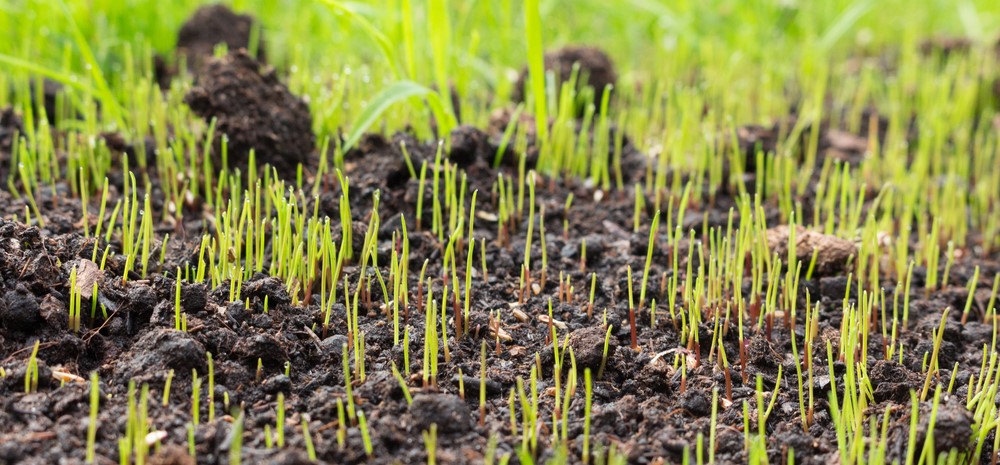
If you're looking to grow a beautiful, green lawn, then choosing grass seed is a great solution. However, it is important to choose the best grass seed species to suit your garden and soil type.
In this guide, we explore everything you need to know about establishing a new lawn that is healthy, luscious and green.
What to consider before sowing your new lawn seed?
Before sowing your new lawn seed, there are a few things you need to consider.
The Best Time to Sow Grass Seed
In the UK, the best times to start a new lawn from seed are spring (March to May) and early autumn (late August to October). These windows offer the most reliable conditions for germination since the soil is warmer and there’s regular rainfall with fewer temperature extremes.
Autumn is often the preferred choice. The soil holds summer warmth; rain tends to be more consistent and pressure from weeds is usually much lower than in the spring. That means your grass seed gets a better chance to settle in and establish strong roots before winter.
Spring also works well, particularly if the ground is well-prepared and you can keep it watered during any dry spells. Try to avoid sowing in high summer, as heat and dry soil can cause the seed to dry out before it germinates. Likewise, cold winter conditions are too harsh for reliable growth as low soil temperatures will slow everything down drastically at this time of year.
If you’re planning ahead, try and time sowing your grass seed around the weather and not just the calendar. Mild, damp conditions without frost or drought will always give you the best results.
Ensure you choose the right grass seed
Not all lawns are used the same way, so choosing the right seed mix matters a lot. If your lawn will get regular foot traffic from kids or pets, you’ll want something hard-wearing. If it’s more about appearance, a finer mix might be a better fit.
For family lawns or everyday use, BS Hard Wearing Lawn Seed is a reliable and cost effective option since it is designed specifically for durability without sacrificing appearance. If you're after something more ornamental, BS Premier Lawn Seed offers a finer finish which is ideal for front gardens or well-kept borders.
If you’re not sure how much you need, use our grass seed calculator to get the right quantity for your space. It’s better to get the seeding rate right than to over or under-apply.
When in doubt, match the mix to how the lawn will actually be used and not just how you want it to look. That’s the key to having a great looking lawn over the long term.
10 steps to follow when sowing new grass seed
These ten simple steps show the best way to grow grass from seed, helping you to create that perfect lawn:
Step 1 - Clear the area
Prepare the soil for grass seed by clearing the area and removing any large stones, weeds and other debris.
Step 2 - Improve the soil
It's easier to fix soil problems before your new lawn is in place. For clay soils, mix in sharp sand to aid drainage and composition. Cultivate the soil to a depth of 15cm (6") to aerate the soil and break up compaction. This creates better drainage and aids nutrient distribution. Remove any further debris which is unearthed.
Step 3 - Create a level seed bed
Rake the area, then level the surface. This can be done by dragging a straight edge, (such as a length of heavy timber) in different directions across the surface. Then use a lawn roller to firm the soil so that it is possible to stand on the surface without leaving imprints.
Step 4 - Allow the soil to settle
By leaving the soil for a week, any sinkage will occur before the lawn is in place, allowing it to be rectified before sowing. If weeds have been prevalent in the area, wait for the first flush of weeds to germinate and remove these before sowing.
Step 5 - Final ground preparation
Lightly work the surface with a rake to create a fine tilth. Add a pre-seeding lawn fertiliser to ensure the soil contains all of the nutrients required for grass seed to grow healthily.
Step 6 - Buy your grass seed
It's important to buy the best grass seed for your soil type and situation - our handy guide on which grass seed is best will help you figure out which seed is most suitable.
Here at Boston Seeds, we offer a wide range of mixtures tailored for specific needs; such as hard wearing grass seeds for dog friendly lawns, grass seed for shade or any other application.
We also have a handy grass seed calculator so you know exactly how much grass seed you need.
Step 7 - Sowing grass seed
When spreading grass seeds, it is important to sow the seed evenly at the recommended sowing rate for grass seed. Once the ground is ready, sow your seed at around 35 to 50 grams per square metre. For small spaces, sowing by hand is fine, but for larger areas, a seed spreader helps keep things even and generally makes the job a lot easier. There's no need to worry about being 100% perfect, so just aim for a consistent cover across the whole area.
What are optimal sowing conditions?
Sowing grass seed at the right time and under the right conditions is crucial for optimal germination and growth. Here are some optimal sowing conditions to consider:
- Soil temperature: The ideal soil temperature for sowing grass seed is between 10°C and 20°C (50°F and 70°F). If the soil is too cold, the seed may not germinate, and if it’s too hot, the seed may germinate too quickly and not develop a strong root system.
- Moisture: The soil should be moist but not waterlogged. If the soil is too dry, the seed may not germinate, and if it’s too wet, the seed may rot.
- Sunlight: Grass seed needs sunlight to germinate and grow. If your lawn receives full sun, you can sow the seed at any time. If your lawn is partially shaded, you may want to sow the seed in the spring or fall when the sun is not as intense.
- Wind: Wind can disperse the seed and prevent it from germinating. If it’s windy, you may want to sow the seed in a sheltered area or use a windbreak to protect the seed.
Step 8 - Tread/roll the grass seeds in
The new grass seed must be in good contact with the soil to ensure it germinates properly. Treading or rolling the surface will ensure that emerging roots find their way into the soil. For larger areas, harrowing the area will ensure good contact with the soil.
Step 9 - Water
Grass seed requires warmth, light and moisture to germinate. If the conditions are too dry in the first two weeks the seeds can die. Light watering for the first few weeks can help, but is generally not necessary with average rainfall. Over-watering constantly reduces soil temperature and will not aid germination.
Step 10 - Mowing the lawn
Grass seed should germinate within 14-21 days. Once it reaches 3 - 4 inches long, start to cut the grass. Gradually reduce the height by ½ inch (1cm) each time you mow the lawn until you achieve your ideal mowing height.
Top tip: Regular weeding is essential to maintain the health of your existing lawn and prevent competition with new grass seedlings.
Common Mistakes to Avoid
Avoid sowing when it’s too hot, too cold, or too wet. A compacted or uneven surface will lead to patchy growth, so take time to level and firm the ground before you sow the grass seed for the first time.
It's important not to over-seed or bury the seed too deeply. Remember, your grass needs light in order to germinate and space to breathe once it has. Above all else, once your seed is down, try to keep it off the lawn until it’s established.
Lawn Establishment Timeline
Establishing a new lawn from seed can take several weeks to several months. Here is a general timeline for lawn establishment:
- Week 1-2: Sow the grass seed and keep the soil consistently moist.
- Week 3-4: The seedlings will begin to emerge and develop their first set of leaves.
- Week 5-6: The seedlings will continue to grow and develop their root system.
- Week 7-8: The lawn will start to look like a uniform carpet of grass.
- Week 9-12: The lawn will continue to grow and develop, and you can start to mow it regularly.
- Month 3-6: The lawn will be fully established and require regular maintenance, including mowing, fertilising, and pest control.
The timeline may vary depending on factors such as climate, soil quality, and sunlight.
Our Post-Sowing Care Tips
After sowing grass seed, it’s essential to provide the right care to ensure optimal germination and growth. Here are some post-sowing care tips:
- Watering: Keep the soil consistently moist during the first few weeks after sowing. Water lightly but frequently to prevent washing away the seed.
- Fertilising: Avoid fertilising the lawn during the first few weeks after sowing. Fertiliser can burn the young seedlings and prevent them from developing a strong root system.
- Mowing: Avoid mowing the lawn during the first few weeks after sowing. Mowing can damage the young seedlings and prevent them from developing a strong root system.
- Weeding: Keep the lawn free of weeds during the first few weeks after sowing. Weeds can compete with the grass seedlings for water and nutrients and prevent them from developing a strong root system.
Lawn Seed from Boston Seeds
At Boston Seeds, our grass seed is sold certified, which means it has exceptionally high standards of purity and germination for the best results. We have a number of different varieties of grass seed for a number of different conditions and uses.
It is important to choose the right lawn seed for your lawn, for example, if you have a shaded garden, then it is crucial to choose a lawn seed that thrives in the shade or if you have children or dog, then choosing a hard wearing lawn seed is important. If your current lawn just needs a bit of care, then our lawn repair grass seed can get your lawn back to looking its best.
Read our guide on how to care for your lawn to keep it looking its best once it's established. Or, take a look at our monthly lawn care tips to see how to care for your lawn in each month of the year.
How we can help!
If you're growing a lawn from scratch but unsure how much grass seed you need, our handy Grass Seed Calculator can help you figure it out in just a few clicks!
With Next Day Delivery on hundreds of items too, choosing from our extensive range of lawn seed couldn't be easier. Ordering regularly or looking for large volumes? Click here to apply for a trade account today - we review all applications within one working day.
Have a question about best practice when it comes to growing your lawn from grass seed? Or unsure which grass seed is best for your needs? Get in touch with our friendly experts who'll be happy to help.
Get in touch with our friendly experts who'll be happy to help.