




Yellow Rattle Plug Plants (Rhinanthus minor)
Grown from our own quality-assured, fresh, UK native seed, our yellow rattle plug plants are ready to be planted in your garden or meadow immediately upon on arrival in April.
Yellow rattle is a must for a wildflower gardens and meadows. As a semi-parasitic plant, it requires robust neighbour plants like grasses and legumes, but also acts as a watchdog against vigorous weeds. That's on top of the beauty of its golden, bell-shaped flowers, complete with a charming 'chime' as its ripened seed pods rattle in the breeze.
Our yellow rattle plug plants are grown from high-quality, British seed from wild meadow collections, and arrive ready to be planted complete with the essential meadow grasses.
- Type: Annual
- Height: 20–50cm.
- Flowers: May-September
- Soil Requirement: Moist or well-drained
- Light Requirement: Full sun
- Natural Habitat: Grassland, meadows
- Also known as: Corn Rattle, Hay Rattle, Penny Grass
This item is currently unavailable
How will my plants arrive?
- Our wildflower plug plants are supplied as 40cc plugs, roughly size of your index finger.
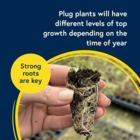
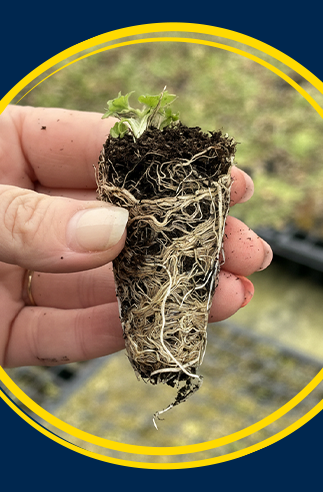
- Plug plants have different levels of top growth depending on the season and variety.
- The plant you receive might have minimal top growth on arrival, but this is completely normal and the plant is not dead.
- The healthy, well-established roots are the most important part and will support fresh growth when conditions are right.
- We supply our wildflower plants in custom made cardboard boxes. The boxes are an exact fit for the plants to ensure that they do not move around and get damaged in transit.
- We dispatch the plugs on an overnight courier service to minimise the amount of time the plants are enclosed in the box.
- We do not dispatch the plants on a Friday as this would result in them being in the box over the weekend.

How old are the plants?
- All wildflower species will take differing periods of time to establish.
- Some can be ready in as little as two months after the seed has germinated whereas some of the slowest to establish, such as Cowslip, can take around nine months to be ready.
Top Tips
- We recommend planting them as soon as they have been delivered. If this is not viable, please remove them from the box and keep them moist until you can plant them.
- We don’t recommend potting on as they don’t do well being moved – they are grown outdoors in polytunnels, so are hardy enough to be planted straight out
Please Note: Plug plants have different levels of top growth depending on the season and variety. The plant might have minimal top growth on arrival, but this is completely normal. Healthy, well-established roots are the most important part and will support fresh growth when conditions are right.
When to Plant Wildflower Plug Plants
Wildflower plugs can be planted for most of the year provided the ground isn’t frozen solid or saturated with water. The best results usually come from planting in spring or autumn, when temperatures are mild and the soil has enough moisture for the roots to settle before any extreme heat or cold.
How to Plant and Care for Wildflower Plug Plants
On Arrival:
Open the boxes immediately. Lightly water the plugs and place them in a sunny spot until planting.
Ideally, plant within a few days, but they will be fine if kept watered with access to sunlight.
What to Expect:
These plugs are standard 40cc size (roughly the length of your index finger).
Top growth may be minimal or dormant at times, this is normal. The root system is what matters most.
Prepare the Ground:
Clear the area of weeds and grass. Mow existing grass to around 10cm and remove cuttings. Wildflowers prefer poorer soil, so avoid fertiliser.
Make Planting Holes: Use a dibber, trowel, or similar tool to make holes slightly larger and as deep as the plug itself.
Plant the Plugs:
Remove plugs gently from the tray by squeezing the base. Place each plug in its hole so the top of the rootball is level with the soil surface. Firm the soil gently around the plug.
Spacing:
Plant approximately 5 plugs per square metre for an even display.
Water Well:
After planting, water generously to settle the soil. Keep the area moist for the first few weeks while roots establish.
Aftercare:
- Once established, wildflower plugs require minimal care.
- Keep weeds in check, water during dry periods, and allow flowers to set seed naturally.
- Leave plants to die back naturally after flowering.
- When they have finished seeding, cut back to around 10cm and remove cuttings.
Flowering:
Sit back, relax and look forward to beautiful spring flowers! Many species may not flower in the first year, but they will continue to develop over time.
Why Roots Matter:
With wildflower plugs, the strength of the plant lies beneath the surface. Even when top growth appears pale or dormant, the plug’s root system contains the energy it needs to flourish. Firm, white roots are a sign of vitality. Because these roots are already developed, plugs establish faster, handle competition better, and adapt well to a range of soil types and growing conditions.
1 - Ongoing maintenance
Yellow rattle is an annual so it will require ongoing maintenance and a regular cutting regime for it to self-seed and flower the subsequent years. Populations of yellow rattle may die out after a year if the seed heads are not allowed to drop seed.
2 - Regularly weeding throughout the growing season
Remove weeds and undesirable plants by hand throughout the yellow rattle growing season.
3 - Cut your Yellow Rattle Plants in autumn
As yellow rattle is an annual, an autumn cut is required in order for it to self-seed and flower the following year. Once it has died back, they will need cutting to around 10cm in height, leave the cuttings on the surface for around 7-10 days. This will allow the seed heads to dry out and for the seed to have drop into the soil for flowering the foillowing year. After this time, it is important to remove the cuttings else they can mulch back into the soil, making the soil richer and more fertile.
When should I plant yellow rattle plug plants?
Yellow rattle plugs are delivered in April, ready to be planted out immediately into your garden or meadow. If you are unable to plant straight away, open the box, place in sunlight and keep moist until they can be planted. Make sure to plant within a few days or receiving your plugs.
Does yellow rattle come back every year?
As yellow rattle is an annual, unless it has been pollinated and growing seeds, it will die out after a year, and therefore should be replanted each spring.
When to cut back yellow rattle?
It is best to leave cutting as late as possible, however, around September and October is the best time. Yellow rattle usually stops growing around June or July time.
Where to plant yellow rattle plug plants?
Plant yellow rattle plug plants in full sunlight and into well-drained soils wherever possible. Our yellow rattle plugs are delivered with the essential slow growing, meadow grasses for yellow rattle to thrive, so can be planted into bare soil or into existing grass and wildflower meadows. Avoid areas containing high vigour, fast growing grasses such as ryegrass.
When to plant yellow rattle plug plants?
Yellow rattle plugs are delivered in April, ready to be planted out immediately into your garden or meadow. If you are unable to plant straight away, open the box, place in sunlight and keep moist until they can be planted out within a few days.
How far apart to plant many yellow rattle plug plants ?
Ideally, yellow rattle plugs should be planted between 3-5 plugs per sqm. However, lower densities are also suitable for a more sporadic display.
How to prepare the ground to plant yellow rattle plug plants?
Cut any existing grass as short as possible with cuttings removed. Reducing the growth of the existing grass provides more light and space for the plugs to establish.
How to plant yellow rattle plug plants?
Remove the plugs from the tray and make a small hole to put the plug into and place the plug into the hole. Recover with soil and press down firmly around the plant to ensure good contact with the surrounding soil. Lightly water to keep the area moist if required, but avoid over-watering. Yellow rattle is an annual wildflower species and will flower in the year planted, from May onwards.
Why Boston Seeds Yellow Rattle Plug Plants?
Boston Seeds' yellow rattle plugs begin their journey in autumn when fresh yellow rattle seeds from UK meadow collections are sown into individual cells alongside the essential meadow grasses. Cold weather over winter enables vernalisation for the plants to begin growing from early spring, ready for delivery to customers from April for immediate planting.
Boston Seeds' yellow rattle plug plants are always:
- Produced from fresh seed of UK provenance.
- Supplied with first leaves and well-established, healthy root networks.
- Grown with the essential meadow grasses for yellow rattle plugs to thrive.
Buy with confidence from Boston Seeds - the UK's most trusted supplier of native British wildflower seeds for over twenty years.
Delivery Information
We’re proud to offer fast and reliable delivery. Please check the delivery label on each product page for specific delivery timeframes.
Items Marked as Next Day Delivery
- Orders placed before 2pm (Mon–Fri) will be dispatched the same working day with delivery the next working day
- Orders placed after 2pm are dispatched the next working day
- Orders placed after 2pm Friday are dispatched on Monday for Tuesday delivery (excluding Bank Holidays)
- Orders for Saturday delivery must be placed by 2pm Friday
Delivery Combinations
If your order contains a combination of next day and non-next day products, please note only the products marked next day will be delivered next day. The remainder of your order will be delivered within the timescales indicated.
Orders are sent via DHL, DPD, DX, Evri and Royal Mail, plus pallet networks for orders of approximately 100kg+.
| Delivery location | Excl. VAT | Incl. VAT |
| UK inc. Islands & Channel Islands up to 2kg (seed only) | £3.33 | £3.99 |
| Standard UK Mainland Delivery | £4.99 | £5.99 |
| Saturday (England & Wales) up to 30kg* (Orders must be placed by 2pm Friday) | £12.50 | £15.00 |
| Scottish Highlands and Islands up to 30kg* | £14.00 | £16.80 |
| Isle of Man, Isles of Scilly up to 30kg* | £17.00 | £20.40 |
| Channel Islands up to 30kg* | £12.00 | £14.40 |
*please enquire for orders over 30kg to these locations.
Collections
Customers are welcome to purchase items marked as next day delivery in person from our office and distribution centre at:
Manor Road
Kirton
Boston
PE20 1PH
Additional Information
- Orders over 100kg will normally be delivered on a pallet unless specified otherwise.
- Standard delivery takes place between the hours of 8am and 6pm, Monday to Friday.
- Orders containing multiple items may be delivered separately via multiple couriers.
- Unfortunately, we are unable to deliver to Northern Ireland or Europe.
***Please Note
Dates and indications for delivery are approximate and we cannot guarantee or be held responsible for delays in delivery dates or times. We do not refund delivery charges for delayed deliveries.
Please order from us with enough lead-time to prevent any loss or disappointment resulting from the delivery date or time. Under no circumstance will we be held responsible for any loss or damage incurred through delay in order fulfilment.
Please check that you have entered the correct delivery address before completing your order as we are unable to change it once processed.
CONTACT US
For any queries relating to your order, please contact [email protected]
Customers who bought this also bought:


Plants for Pollinators highlights plants selected by the RHS as scientifically proven to tackle the declines in bees, butterflies and other pollinators.
Cowslip plants form clusters of bell-shaped, sunny yellow flowers with distinct tubed calyxes. Known for having a sweet and strong scent compared to apricots, and it has a history in folklore, with uses in weddings and other festivities. An easy-to-grow Easter-time treat!
- Type: Perennial
- Height: 15–30cm.
- Flowers: April-May
- Soil Requirement: Moist but well-drained
- Light Requirement: Full sun or partial shade
- Natural Habitat: Meadows, woodlands, road verges
- Also known as: Fairy Cup, Key Flower, Luck Flower, Paggles

Plants for Pollinators highlights plants selected by the RHS as scientifically proven to tackle the declines in bees, butterflies and other pollinators.
The Wild Primrose’s pale yellow, five-petalled flowers are a cottage classic! Its light colouration is a delight under trees and bushes- just imagine a shady spot illuminated by sweet-scented, hardy clusters of buttery beauty!
- Type: Perennial
- Height: 20-30cm.
- Flowers: February-May
- Soil Requirement: Moist but well-drained
- Light Requirement: Full sun or partial shade
- Natural Habitat: Woodland, grassland
- Also known as: Culver Keys, Suncups

Plants for Pollinators highlights plants selected by the RHS as scientifically proven to tackle the declines in bees, butterflies and other pollinators.
Few flowers match the fairy-tale flair of the foxglove: its towering stems of majestic magenta bells feature heavily across myths as a source of healing and protective magic, and a favourite of fairies- we can’t confirm if that’s true, but they are a favourite of bees and butterflies! Best grown in the back of a border to frame other flowers. Make sure to handle with gloves.
- Type: Biennial
- Height: 60–150cm.
- Flowers: June-September
- Soil Requirement: Well-drained
- Light Requirement: Full sun or partial shade
- Natural Habitat: Forest borders, footpaths
- Also known as: Dragon’s Mouth, Fairy Bells, Thimble Flower
Plants for Pollinators highlights plants selected by the RHS as scientifically proven to tackle the declines in bees, butterflies and other pollinators.
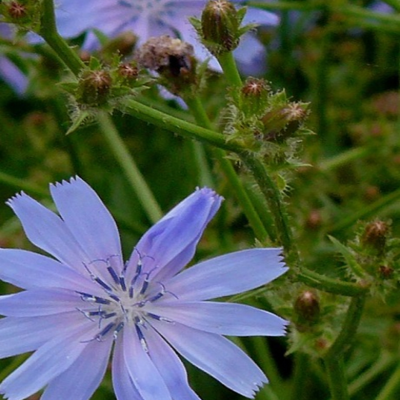
The Chicory is a perfect mix of energetic colour and grace, producing feathery, sky blue petals on thin, branching stems. In addition to making a creative climber, the Chicory’s roots have also seen a wide range of culinary uses, especially as an alternative to coffee - but we think the beauty of its bold blooms are enough of a boost!
- Type: Perennial
- Height: 30–90cm.
- Flowers: June-October
- Soil Requirement: Well-drained
- Light Requirement: Full sun
- Natural Habitat: Fields, road verges
- Also known as: Blue Dandelion, French Endive, Succory
Plants for Pollinators highlights plants selected by the RHS as scientifically proven to tackle the declines in bees, butterflies and other pollinators.
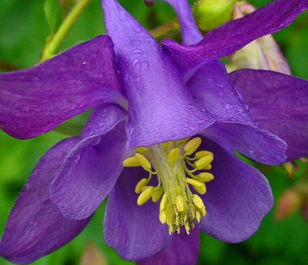
The beautiful, nodding, bell-shaped blooms of the Columbine flower come in a variety of colours, even bi-coloured, though the most common colour in the wild is a vivid blue-violet, contrasted by a shining stamen the colour of honey, which is attractive to bees and butterflies. A cute cottage classic, perfect for pots, beds and borders, as it’s easy to grow and naturalise, though it dislikes being too dry.
- Type: Perennial
- Height: 45–60cm
- Flowers: June-July
- Soil Requirement: Moist but well-drained
- Light Requirement: Full sun or partial shade
- Natural Habitat: Woodlands, roadsides, grasslands
- Also known as: Dove Plant, Lady’s Shoes, Pigeon Foot

Plants for Pollinators highlights plants selected by the RHS as scientifically proven to tackle the declines in bees, butterflies and other pollinators.
Wildflower seeds for bees. Use this wildflower seed mixture to attract bees, butterflies and other insects. Our BSBP 100% Bees & Butterfly Wildflower Seed mix is designed to provide maximum pollen and nectar. Creates a beautiful meadow and wildlife habitat.
- Contains 24 species from the RHS "Perfect For Pollinators" list
- Also includes 'super-pollinators' borage, sainfoin, red and white clover to encourage a wide range of pollinating insects
- Inclusion of annual species provides colour in the first year, plus yellow rattle and wide range of perennial species
- Perfect for creating a long lasting meadow and wildlife habitat
- Contains UK native wildflowers produced from provenance-assured, wild UK meadows
- Flowers from May to October
- Sow at 3 grams per sq/m. 1kg covers 330sq/m

Plants for Pollinators highlights plants selected by the RHS as scientifically proven to tackle the declines in bees, butterflies and other pollinators.
If you want bold and beautiful colour, you will love our cornfield annual wildflower seed mix. This colourful wildflower mix contains 5 British wildflower annuals to create 'instant' colour in the first year. All of our UK native wildflower seeds are carefully collected and prepared for you to the highest level of purity and tested for germination.
- Sow in spring or autumn - sprinkle on the soil and cover the seeds by raking or rolling
- Wonderful habitat for bees and butterflies or just for adding colour to gardens verges, or fields
- Wildflower species are all recommended by the RHS as 'Plants for Pollinators'
- Contains UK native wildflowers produced from provenance-assured, wild UK meadow collections
- Sow at 3 grams per sqm. 1kg sows 330 sq/m
- Contains: Corn chamomile (yellow and white), Corncockle (pink-purple), Cornflower (blue), Corn Marigold (yellow), and Poppy (red)

Invite solitary bees into your garden with this charming bee hotel. Crafted from eco-friendly FSC-certified timber, it provides a safe, sturdy home where pollinators can nest, rest, and thrive. A delightful way to support hardworking bees while adding character to your outdoor space.
- Made for solitary bees to rest & nest.
- Made from eco-friendly FSC certified timber.
- Dimensions: 21cm x 18cm x 10cm.
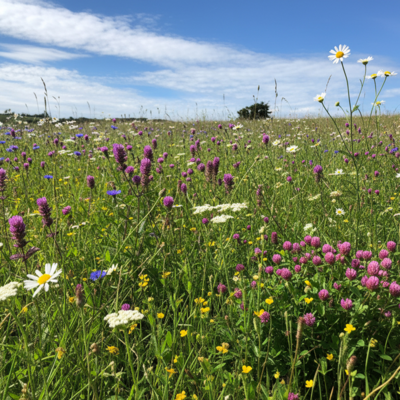

10% of the sales of this wildflower seed mix is donated to Buglife, the UK’s leading wildlife conservation charity for pollinators and insects.
Created in conjunction with our wildflife conservation charity partner, Buglife, our brand new Pollinator Wildflower Seeds Mix is a special collaboration to support the widest range of pollinating insects and invertebrates - the super species that our planet depends on. From bees and butterflies to beetles and bugs, this floral feast will create a colourful, vibrant and diverse habitat, plus vital food for our critically endangered insects.
- Contains 14 perennial wildflower species selected by Buglife conservation specialists to maximise benefit to pollinators, insects and invertebrates
- Provides a vital pollen and nectar food source and an accommodating wildlife habitat
- Creates a permanent and long-lasting meadow or wildflower area, suitable for borders, landscaping, meadows and more
- Contains native wildflowers produced from provenance-assured, wild UK meadow collections
- 10% of all sales proceeds from this product is donated to Buglife, to support their vital work in the protection of pollinators and invertebrates across the UK
- Sow at 3 grams per sq/m
- 1kg covers 330sq/m
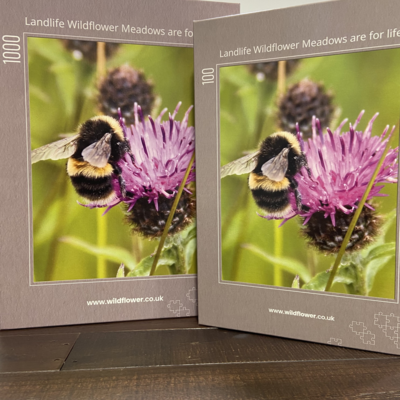
Get a BUZZ with this challenging puzzle of our friendly Bumble Bee, brought to life in this beatifuly satisfying picture. Showcasing the Bee upclose and in their natural habitat. Taking in energy from the Bold and Bright ''Knapweed''. Bees and other polinating insects are essential to our eviroment!
- Made from thick, durable board
- Completed Size (100 Piece*): 48 x 36cm
- Completed Size (1,000 Piece): 64 x 48cm
- Each puzzle is carefully enclosed in a rustic gift box
*100 Piece Puzzle suited to children 6 years and up.
Grow your own Wildflower meadow with our ''Bees and Butterfly Wildflower Seed BSBP 100%''.
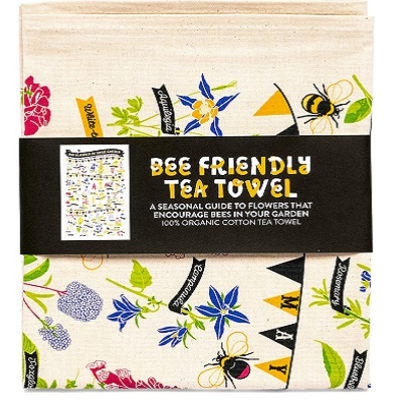
Our new tea towel features a guide to wildflowers that are perfect for encouraging bees and other pollinators into your garden.
Designed and made in partnership with Friends of the Earth to help raise awareness of the importance of bees.
- Organic and unbleached
- Size - 48cm x 76cm / 19” x 30”.
- Wash Max 50°C.
- 75p donated to Friends of the Earth with every tea towel supplied

Plants for Pollinators highlights plants selected by the RHS as scientifically proven to tackle the declines in bees, butterflies and other pollinators.
Throw onto the soil in the Spring or Autumn, your Seedball has everything it needs to grow. A mixture of native wildflowers designed to attract the bees, packed with bee-friendly plants as recommended by the Bumblebee Conservation Trust. Specifically designed to attract solitary bees, honey bees and bumblebees.
- 20 balls per sqm/ 3-5 balls for a pot or container
- Scatter in the Spring or Autumn
- Contains: Birdsfoot Trefoil, Foxglove, Red Clover, Viper's Bugloss and Wild Marjoram
Easy to establish, simply throw onto bare soil and keep moist! A perfect way to add instant impact to any area!
Pack size: 50 Seed Balls

Plants for Pollinators highlights plants selected by the RHS as scientifically proven to tackle the declines in bees, butterflies and other pollinators.
Throw onto the soil in the Spring or Autumn, your Seedball has everything it needs to grow. Containing a vibrant mixture of native wildflower species to give colour whilst also attracting bees, butterflies and other pollinators.
- 20 balls per sqm/ 3-5 balls for a pot or container
- Scatter in the Spring or Autumn
- Contains: Corn Marigold, Cornflower, Corn Chamomile, Poppy and Night-flowering Catchfly
Easy to establish, simply throw onto bare soil and keep moist! A perfect way to add instant impact to any area!
Pack size: 50 Seed Balls
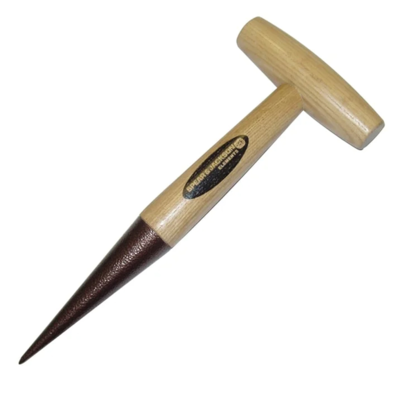
The ultimate tool for planting quickly and easily your plants and bulbs. A quality, solid ash handle securely fitted to a hardened carbon steel head, the traditional design is ideal to assist in planting your plants and bulbs into beds, borders and grassland.
- Powder coated and heat treated carbon steel head
- Weatherproofed ash wood handle
- Hammer finish, powder coated head for improved rust resistance
- Perfect for planting wildflower plug plants and small bulbs
Buy With Confidence

We’re dedicated to making the highest quality, professional outdoor products available to everyone to truly make the most of their outdoor spaces - lawns, gardens, landscapes, equine, sports and agriculture. Trusted by over 200,000 happy customers with a reputation for professional quality, world-class service and outstanding value for everyone, since 2002.

We take quality seriously, supplying products you can trust. Our grass seed is DEFRA-certified for purity and germination, utilising the highest quality cultivars recommended by the Sports Turf Research Institute. Wildflower products are of known UK provenance and flower bulbs are sourced directly from the finest growers in the UK and the Netherlands.

With hundreds of items available for next day delivery, we take pride in getting your order to you quickly and efficiently. Our team of dedicated experts and friendly advisors are here for you when you need them. That’s why you can call us and get straight through to an advisor from 9am-5pm, Monday to Friday, or email us for a rapid response.