Bluebell Bulbs
For those looking to encourage biodiversity in their garden, our Bluebell Bulbs are excellent for pollinators and provide some vital spring pollen and nectar. Lifted under license from UK woodland, our bluebells and inspected and certified as true, British bluebells.
Don't hesitate to get in touch to speak to one of our experts or request a catalogue to view our full range. Ordering regularly or looking for large volumes? Click here to apply for a trade account today - we review all applications within one working day.
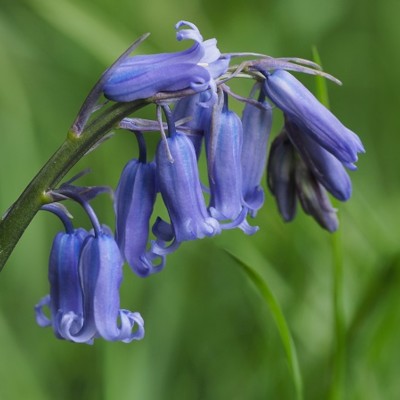

Our bulbs are sourced directly from the finest growers, and selected for size, quality & reliability
True, native British bluebell bulbs, carefully selected and lifted under licence from British woodland, inspected throughout the growing and harvesting period. Certified as true, UK native Hyacinthoides non-scripta. Nothing surpasses the sight and smell of a woodland full of scented Bluebells which you can now replicate in your own garden or meadow.
- Flowers: April-June
- Height: 30-40 cms
- Bulb size: 5+cm
- UK native
Bluebell Bulbs FAQs
About Bluebells
Bluebells are popular woodland bulbs famous for heralding warmer, sunnier days. Often blanketing old or ancient woodlands, they often attract visitors to gaze and wonder at the iconic carpets of blue that they create.
Growing closely together, they prefer undisturbed soils with damp conditions and can also be found along hedgerows as well as shadier gardens.
Having a distinct, sweet fragrance, they are popular with pollinators and provide a good source of nectar. As they can take multiple years to establish, they provide great ecosystems and will, over time, spread and therefore create the carpet effect.
Spanish Bluebells are a cousin of the native variety and will, if allowed, outcompete the native English Bluebell.
We only offer the UK Native bluebells and can confirm these are lifted under license as they are a protected species.
How to grow Bluebells
How to grow Bluebells
Bluebells are ideal for planting during the Autumn months, but can also be planted during January-March, as ‘In The Green’ or sprouting bulbs. Requiring moist or damp soils, they will thrive in woodland or shadier areas where there is less chance of the bulbs drying out.
Plant 5-10cm deep and space apart 10cm, otherwise plant in small clumps for a great visual display. As they flower between March and May, they will naturalise over time and can become overcrowded. Once established, they will keep on coming back, make sure to separate the established clumps every few years.
Types of Bluebells
Species & Styles of Bluebells
True native Bluebells are quite distinctive and quite different from their Spanish cousins.
Native UK Bluebells have narrow leaves with deep violet-blue flowers that appear on one side of the stem only, ‘the shepherd’s crook’. Their drooping stems hold the slightly curled back flowers, which will have cream coloured pollen inside. The native bluebell has a light, sweet scent.
Fun Facts about Bluebells
Fun Facts about Bluebells
Nearly half of all the bluebells are found in the UK.
Bluebells are protected by UK law and can only be lifted under license.
Also known as ‘Fairy Flowers’, they are often thought to be summoned by fairies.
In the past, bluebells have been used for medicinal properties and used in various remedies, as well as their sap being used for glue to fasten feathers to arrows.
They have also been known to be crushed to make starch, which was then used in the Elizabethan period to stiffen the ruffs of collars and sleeves.
Buy With Confidence

We’re dedicated to making the highest quality, professional outdoor products available to everyone to truly make the most of their outdoor spaces - lawns, gardens, landscapes, equine, sports and agriculture. Trusted by over 200,000 happy customers with a reputation for professional quality, world-class service and outstanding value for everyone, since 2002.

We take quality seriously, supplying products you can trust. Our grass seed is DEFRA-certified for purity and germination, utilising the highest quality cultivars recommended by the Sports Turf Research Institute. Wildflower products are of known UK provenance and flower bulbs are sourced directly from the finest growers in the UK and the Netherlands.

With hundreds of items available for next day delivery, we take pride in getting your order to you quickly and efficiently. Our team of dedicated experts and friendly advisors are here for you when you need them. That’s why you can call us and get straight through to an advisor from 9am-5pm, Monday to Friday, or email us for a rapid response.