
Most gardeners know spring bulbs as something planted in autumn, those are dry, dormant bulbs tucked into the soil ready to emerge months later in the spring. But there’s another way to plant bulbs that gives faster results and fantastic success rates and we call these "bulbs in the green".
Common bulbs in the green include snowdrops, bluebells, aconites, wild daffodils and snowflakes which are all woodland favourites that spread naturally over time.
What Are Bulbs in the Green?
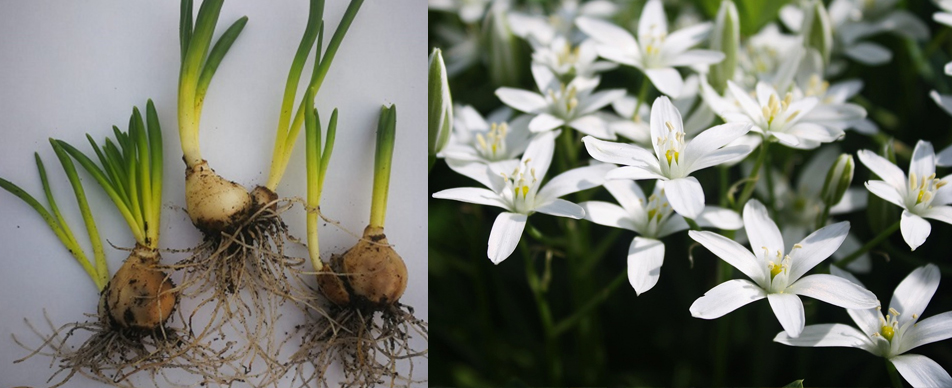
Bulbs in the green are spring bulbs supplied while they’re actively growing (Jan to April), rather than in their dormant state. They’re carefully lifted straight from the soil with their roots, stems and leaves intact, then replanted straight away in to your garden. That means they never dry out and keep all the energy they’ve already built up giving them a much smoother transition into your garden.
When to Plant Bulbs in the Green
Bulbs in the green are generally supplied between January and April, depending on the species and growth stage. They should be planted out as soon as possible after arrival, ideally within a few days, to help them settle and continue growing.
They will often still have fresh green leaves and should flower within just a few weeks.
Why Plant Bulbs in the Green?
The main benefit of planting wildflower bulbs in the green is that the plant and flower is already beginning to form and the root system is well developed giving them an amazing success rate. This helps to protect against vermin attack and ensures strong and healthy plants for naturalising for many years to come.
There are plenty of reasons gardeners love planting bulbs this way:
-
Guaranteed to be alive and growing – you can see they’re healthy and vigorous when you plant them.
-
Higher success rates – because they’re lifted fresh, roots stay moist and ready to establish immediately.
-
Quicker results – many will flower in the same season, adding instant colour to bare borders.
-
Easier to plant – you can see exactly where leaves and stems are, making positioning and spacing simple.
-
Perfect for naturalising – bulbs in the green spread beautifully through lawns, shady spots and woodland edges.
-
Loved by wildlife – they provide some of the earliest nectar for bees and pollinators each year.
How to Plant Bulbs in the Green
How to plant bulbs in the green is actually really straight forward and doesn’t require your fingers to be too green.
-
Prepare your site first – choose a spot with moist but well-drained soil. Loosen the ground and remove weeds before your bulbs arrive.
-
Plant as soon as possible – don’t let them dry out. Keep them cool and damp until planting.
-
Plant at the right depth – use the pale section of the stem as a guide (it shows how deep they were previously in the soil).
-
Space in small clumps – plant in groups of 3–5 bulbs, leaving 10–15cm between clumps for a natural look.
-
Water well after planting – this helps settle the roots back into the soil.
Handle gently — bulbs in the green are living plants rather than dry bulbs, so treat them with care.
Wildflower Bulb Aftercare and Dividing
Once they’ve flowered, leave the foliage to die back naturally. The leaves are vital for photosynthesis, helping the bulbs store energy for next year’s display. Over time, many species will multiply and form clumps. Every few years you can lift and divide bulbs in the green after flowering to prevent overcrowding and to spread them elsewhere in the garden.
Best Spring Flowering Bulbs in the Green
Here in the UK it’s wildflower species like snowdrops, bluebells, aconites, daffodils and snowflakes which are seen as the best spring flowering bulbs in the green. This is because these plant species are known to respond particularly well to being planted while in the growing phase and should often settle better than when planted as dry bulbs.
Our Favourite Wildflower Bulbs
Snowdrops
Snowdrop species will have leaf formation and early flower growth when supplied in January, and a more advanced flower form in February and March and supplied with the flowers dying back in April.
Bluebells will be supplied in the shooting stage in January through to March, with leaf formation appearing late March into April.
Wood anemone are supplied as rhizomes and are likely to be dormant, although some of the rhizomes may have visible shoots and roots.
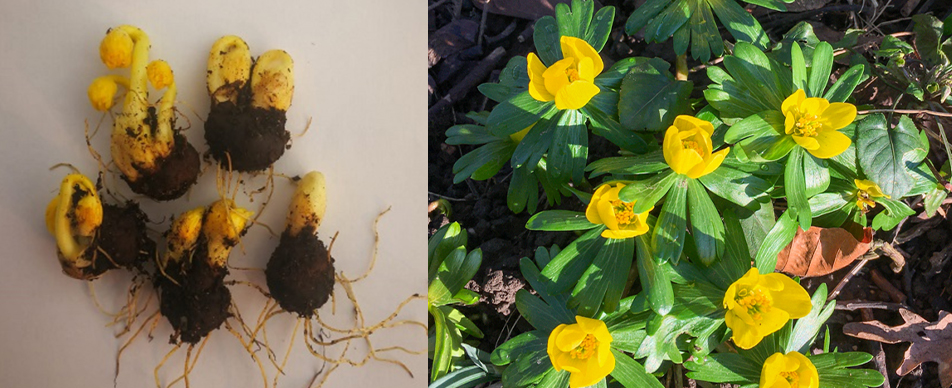
In January, the winter aconite bulbs will be shooting and showing the first signs of bud. From February to March the flowers will begin to open, while in April the flowers will start to go over and die back.
Wild daffodils will be in the early stages of shooting during January and this will gradually develop through February and March with the formation of the flower. April will see the flowers start to wilt.
Bulbs in the Green Frequently Asked Questions
Do bulbs in the green flower in the first year?
Many bulbs in the green will flower within weeks of planting, especially early spring species.
Can bulbs in the green be planted in lawns?
Yes, bulbs in the green are ideal for naturalising in lawns, provided the grass is left uncut until foliage has died back.
Are bulbs in the green better than dry bulbs?
Bulbs in the green generally offer higher success rates and faster results, especially for woodland and wildflower planting.
Wildflower ‘Bulbs in the Green’ Meaning
So-called ‘bulbs in the green’ are spring flowering bulbs that are planted while they are still actively growing, rather than in a dormant state. They are supplied with their roots, leaves and stems intact, allowing them to establish quickly once planted. This means they can often flower within weeks, much faster than regular bulbs.
Planting bulbs in the green is a popular choice for wildflower bulbs such as snowdrops, bluebells and wild daffodils due to the higher success rate and quicker results they produce in comparison to regular bulbs planted the previous autumn.


